

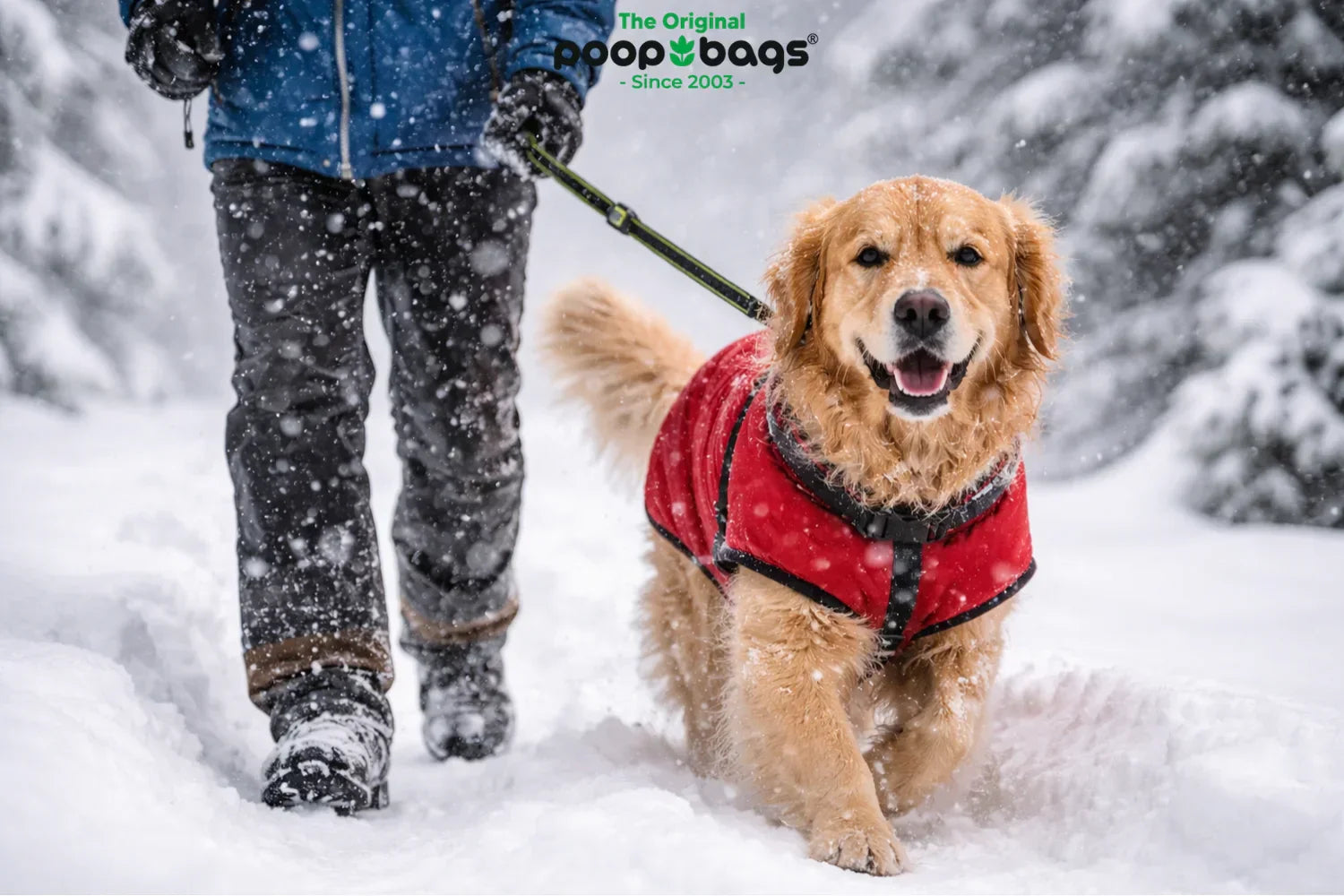



Winter Dog Walking Tips for Cold, Snowy, and Messy Days
Cold weather changes a lot about dog walks.
The sidewalks get slippery. The wind gets rude. Your dog suddenly becomes either a snow-loving maniac or a tiny dramatic statue refusing to move.
But one thing does not change.
Your dog still has to go.
And when they do, you still need a poop bag that can handle the walk, the weather, and the reality of being a responsible dog owner when the temperature is personally attacking you.
Winter dog walking does not need to be complicated. It just needs to be safer, shorter when needed, and a little more prepared than your average sunny-day stroll.
Why Winter Dog Walks Still Matter
[promo]
Some dogs love cold weather. Others take one step outside and immediately regret every life choice that brought them to that sidewalk.
Either way, dogs still need outdoor bathroom breaks, movement, fresh air, and mental stimulation during winter. The key is adjusting the walk to fit the weather and your dog’s comfort level.
Shorter walks are completely fine when conditions are harsh. A quick bathroom break, a short sniff session, or a few minutes outside can still help your dog burn energy and stay on routine.
Winter walks also help prevent cabin fever. Dogs can get restless when they are stuck inside too long, which usually means barking, pacing, chewing, or staring at you like you personally canceled summer.
Dogs That May Need Shorter Winter Walks
Some dogs are more sensitive to cold weather than others.
Be extra careful with:
- Small dogs
- Senior dogs
- Puppies
- Short-haired breeds
- Dogs with thin coats
- Dogs with arthritis or joint pain
- Dogs with medical conditions
If your dog is shivering, lifting their paws, slowing down, whining, or trying to head home, listen to them. A dog walk should not become a survival documentary.
How to Walk Your Dog Safely in Winter
Winter weather can turn a normal walk into a slippery little obstacle course. Snow, ice, salt, darkness, and wind can all make walks harder for dogs and humans.
A few simple habits can make winter dog walks safer.
1. Walk During Brighter Parts of the Day
When possible, walk your dog during daylight hours. Visibility is better, sidewalks are easier to check, and drivers are more likely to see you.
If you have to walk early in the morning or after dark, use reflective gear or a light-up collar or leash. Dogs are adorable. They are not always visible.
2. Watch for Ice and Slippery Spots
Ice can be hard to see, especially on sidewalks, driveways, and parking lots.
Walk slowly in areas that look wet or shiny. Avoid steep paths, frozen puddles, and heavily packed snow when possible. If your dog pulls on the leash, keep them closer than usual so neither of you becomes a tragic winter cartoon.
3. Keep Walks Short When the Weather Is Harsh
Not every walk needs to be long.
On freezing, windy, or stormy days, a shorter walk may be the better choice. Give your dog enough time to use the bathroom and sniff around, then head back inside before everyone involved becomes miserable.
4. Bring the Basics Every Time
Even on a quick winter walk, do not leave unprepared.
A simple winter dog walk setup may include:
- A secure leash
- A warm dog coat if your dog needs one
- Reflective gear for low visibility
- A towel by the door
- Dog-safe paw wipes or a damp cloth
- Reliable poop bags
That last one matters more than people admit.
Cold hands, wet weather, and rushed walks are not the time to realize your bag is flimsy, hard to open, or buried at the bottom of your pocket with old receipts and emotional damage.
Protecting Your Dog’s Paws in Winter
Winter can be rough on dog paws.
Snow, ice, salt, and de-icing products can irritate paw pads and get stuck between toes. Some dogs may also develop dry or cracked paws during cold weather.
After each winter walk, take a minute to wipe your dog’s paws. It helps remove salt, dirt, ice, and anything else they picked up outside.
Simple Winter Paw Care Tips
Follow these steps after snowy or icy walks:
- Wipe your dog’s paws with a damp cloth or dog-safe wipe.
- Check between the toes for ice, salt, or debris.
- Dry the paws gently with a towel.
- Look for redness, cracking, or irritation.
- Use dog-safe paw balm or boots if your dog needs extra protection.
Some dogs tolerate boots. Some walk like they just discovered gravity. Both are normal because dogs are furry little weirdos with strong opinions.
Why Picking Up Dog Poop Still Matters in Winter
Dog waste does not disappear just because snow falls on it.
It can get buried, freeze, thaw later, and become a gross problem for sidewalks, parks, trails, and shared outdoor spaces. Snow does not erase poop. It just hides it like a deeply unhelpful magician.
Picking up after your dog during winter helps keep public spaces cleaner and safer for everyone. It also helps other dog owners, park visitors, neighbors, maintenance teams, and anyone unlucky enough to step in the wrong snow pile.
Winter Poop Pickup Tips
Make winter cleanup easier by keeping bags where you can actually grab them.
Try this:
- Keep poop bags by the front door
- Store a roll in your coat pocket
- Attach a bag dispenser to your leash
- Bring extra bags on longer walks
- Replace rolls before they run out
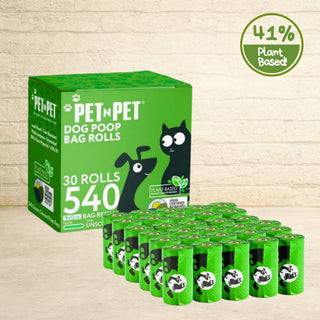
The Original Poop Bags® are made for everyday dog walks, including the cold, rushed, messy ones. Whether you are heading around the block, visiting the park, or standing outside while your dog takes seven years to choose the perfect spot, having bags ready makes the walk easier.
Indoor Activity Ideas for Bad Weather Days
Some winter days are simply not walk-friendly.
If the weather is unsafe, keep outdoor time short and add indoor enrichment instead. Dogs do not need a full blizzard stroll to stay busy.
Try:
- Puzzle toys
- Treat hide-and-seek
- Short training sessions
- Indoor fetch in a safe space
- Snuffle mats
- Tug games
- Practicing basic commands
Mental exercise can help tire dogs out, especially when outdoor walks are shorter than usual.
Final Thoughts: Be Ready for Every Winter Walk
Winter dog walks may be colder, shorter, and more chaotic, but the job is still the same.
Keep your dog safe.
Watch their paws.
Avoid ice when possible.
Pick up the poop.
Get back inside before your fingers file a formal complaint.