

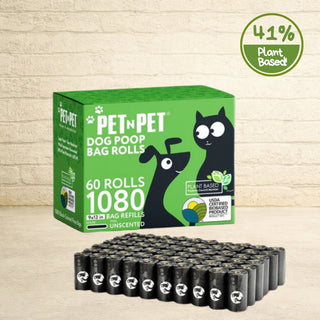
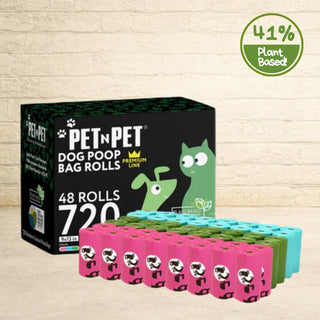
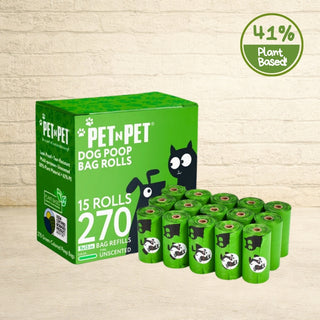
Cat litter liners promise an easier scoop and less mess on the floor. The eco-friendly versions promise all of that plus a smaller environmental footprint. The reality is more nuanced than the packaging suggests. This buyer's reality check walks through the material science, the certification landscape, and the practical tests that separate biodegradable cat litter liners worth buying from greenwashed alternatives that quietly fail.
The Reality of Cat Litter Liners
The Plastic Problem
Liners reduce cleanup time and protect the box from urine staining. Many households swear by them. Other households, including many veterinarians, prefer to skip liners entirely because cats often shred them. Conventional liners are polyethylene. They go to landfills with each replacement. Cat litter box liners that promise eco performance often deliver on plant content but underperform on durability, forcing households to use thicker single-use plastics or replace liners more often. The waste-versus-convenience trade-off is real.
Cats and Liners
Some cats ignore liners completely. Others claw, dig, and shred them within days. The American Association of Feline Practitioners' environmental needs guidelines describe natural digging behavior that often conflicts with liner integrity. Knowing your cat's habits matters as much as choosing the right liner material when evaluating performance.

What "Biodegradable" Means in Cat Litter Liners
The Vocabulary Mismatch With Dog Bag Standards
The vocabulary inherited from the plastic bag market often gets misapplied to cat litter liners. The differences matter when comparing products on the shelf. Dog waste bags have ASTM D6400, BPI certification, and USDA BioPreferred verification. Cat litter liners often borrow the language without the certification. Compostable cat litter liners that lack a certification number deserve the same skepticism as uncertified dog bags.
Industrial vs. Home Composting Realities
Industrial composting facilities reach high temperatures that home compost piles rarely achieve. Most certified compostable cat liners require industrial conditions. Cat waste is generally excluded from municipal composting due to toxoplasmosis concerns, complicating disposal even when the liner is technically compostable.
Plant Content vs. Compostability
A liner can be plant-based without being compostable. Plant-based cat litter liners with verified content reduce upstream fossil dependence. Compostability is a separate claim that requires separate verification. Confusing the two is one of the most common consumer errors in the litter aisle and one of the easiest to clear up with a quick label read.
Greenwashing Patterns in the Litter Aisle
The cat litter aisle has its own greenwashing patterns. Vague claims, leaf imagery without certification, and exaggerated decomposition timelines all show up. Eco-friendly cat litter liners are worth buying because they disclose specific certifications, plant content percentages, and disposal pathway recommendations directly on the packaging. These patterns appear across many products. Spotting them quickly saves time and money during shelf or online shopping decisions:
- Decomposition Promises Without Conditions Specified: Real-world breakdown depends on temperature, microbial activity, oxygen, and moisture, and the difference between lab and home compost can be measured in years rather than months.
- Plant Imagery Without Plant Content Percentage: Leaf graphics, green color palettes, and earth-tone packaging signal mood rather than substance. Natural cat litter liners that genuinely contain plant content should disclose the percentage on the package, ideally backed by USDA BioPreferred certification, which buyers can verify.
- Compostable Claims With No Disposal Guidance: A compostable liner without specific disposal instructions usually means the brand prefers buyers not to think too hard about whether their household actually has access to the composting infrastructure the certification depends on.
- Strength Claims Without Numerical Evidence: "Tear resistant" without a thickness measurement in microns or mils is marketing language. Tear-resistant cat litter liners are worth buying. Publish the film specifications and offer warranty support if the liners fail under normal household use.
The Material Science Behind Liners
PLA, PBAT, and Conventional Polyethylene
PLA provides rigidity. PBAT adds flexibility and tear resistance. Polyethylene remains the cheapest and most common conventional option. Plant-based blends usually combine PLA and PBAT in ratios that balance strength, flexibility, and disposability. Pure plant-content films are rare; most "plant-based" films include polymer blends to deliver functional performance.
Strength Tradeoffs
Plant-based films have historically lagged behind conventional plastics in tear strength. Modern formulations have closed most of the gap. Heavy-duty cat litter liners with high plant content now perform comparably to conventional alternatives, though premium products remain priced higher than basic polyethylene options. Cats dig, scratch, and occasionally bite. Tears tend to start at corners, drawstring junctions, and seam areas. Cat litter bag liners that reinforce these stress points last meaningfully longer. Cheaper liners often skip the reinforcement and rely on overall thickness, which performs poorly under directed claw pressure.
Drawstring vs. Tab vs. Cinch Closures
Closure design affects both performance and ease of disposal. Drawstring closures cinch tightly to contain odor and waste during removal. Tab closures are easier for arthritic hands but seal less reliably. Cinch designs combine elements of both with mixed results across brands.
Multi-Layer vs Single-Layer Films
Multi-layer films offer better odor barriers and more consistent strength than single-layer alternatives. The trade-off is cost and end-of-life complexity. Mixed-material films can complicate composting if the layers behave differently under industrial conditions, which is one reason single-material plant-based options sometimes win the lifecycle math.
Choosing the Right Size
Matching Liner to Litter Box
Sizing is one of the most overlooked variables. The wrong size negates almost all the engineering investments made in the liner's chemistry. Measure the box length, width, and height. Add 4 to 6 inches for the cinch zone. Standard box sizes are well served by major liner brands, but oversized or jumbo boxes often need to be sized up. Extra-large cat litter liners are widely available now for the larger boxes that high-sided and multi-cat households often prefer.
Tight liners shred faster, leak more, and frustrate cats who dig vigorously. The temptation to save money on smaller liners usually backfires, leading to faster replacement cycles. The economical choice is the one that fits well and lasts long, not the one with the lowest sticker price per unit.
Multi-Cat Households
Multi-cat homes use multiple boxes, often in different sizes. Cat litter pan liners in mixed-size packs work well for households with both standard and oversized boxes. Buying single sizes in bulk often produces leftover liners that do not match the actual box configuration over time.
Testing Liner Quality at Home
A short, structured trial separates marketing claims from real-world performance. Most households can run the test in under two weeks. Run them on a single box before committing to a multi-month supply purchase:
- Confirm the Certification Number Matches the Product: Search ASTM, BPI, USDA BioPreferred, or TÜV databases by brand and SKU. Drawstring cat litter liners with valid certifications appear in the relevant database with an active status. A missing or expired certification is a red flag, even when the product otherwise looks credible.
- Run a First-Week Tear Test in One Box: Install the liner in a single box and use it as usual for 7 days. Note any tears, where they appeared, and the day they appeared. Liners failing within the first three days rarely improve. The test catches durability issues before scaling the investment.
- Track Odor Control Across Seven Days: Compare the liner against your previous brand on odor between scoops. Trust your nose rather than packaging claims. Environmentally friendly cat litter liners with strong odor control deliver the same level of hygiene as conventional plastic liners without compromising household air quality.
- Calculate Cost Per Box-Day: Divide the price per liner by the number of days each liner lasts in your household. Cheap liners, replaced every two days, often cost more than premium options, which are replaced weekly. The cost-per-day math is the most reliable economic comparison across brands at different price points.
- Test Disposal Pathway Compatibility: Confirm whether your municipality accepts cat waste in any composting program. Most exclude it. Without a usable composting route, a compostable liner delivers some upstream sourcing benefit but not the full lifecycle advantage. The verification matters before paying premium prices.
Track replacement cycles for two weeks and divide by household days covered. The math protects against the bulk-discount illusion that drives many bad purchasing decisions.

Sustainability Trade-offs With Cat Litter Liners
Liners are one part of a system. The whole-system view often produces a different answer than evaluating liners in isolation. A liner protects the box but adds plastic. A high-quality litter that clumps cleanly may reduce or eliminate the need for a liner altogether. Cat litter liner bags make sense when paired with litters that benefit from containment, and less sense when paired with premium clumping litters that scoop cleanly without one.
Most cat waste ends up in landfills regardless of the liner used. Industrial composting accepts cat waste in only a handful of programs nationally. The U.S. Environmental Protection Agency's pet waste guidance confirms the realities of cat-specific disposal challenges that liner marketing often glosses over.
Best Practices for Daily Litter Box Hygiene
Scoop Frequency and Liner Lifespan
Daily scooping extends liner lifespan and reduces odor buildup. Twice-daily scooping in multi-cat homes is common. Liners last longest when stress events, such as heavy soiling, are caught early rather than left to accumulate over multiple days.
Cleaning Without Harsh Chemicals
Pet-safe enzymatic cleaners outperform bleach for litter box maintenance. Enzymes break down ammonia and bacterial residues at the source. Avoid scented cleaners, as cats often dislike them and may reject the box, undermining the hygiene routine the liner was meant to support.
When to Replace the Liner
Visible tears, persistent odor after cleaning, or buildup that cannot be removed all signal replacement time. Eco-friendly litter box liners typically last 5 to 10 days under regular use, depending on cat behavior and litter type. Resist the temptation to push past obvious end-of-life indicators.
Multi-Cat Box Rotation
Multiple cats benefit from multiple boxes in different rooms. Rotating liner brands across boxes can identify which performs best for each cat. The rotation also protects against single-brand failures that would otherwise affect all boxes simultaneously during a recall or formula change.
Handling Liners with Reduced Pathogen Risk
Wear gloves when handling soiled liners, especially during pregnancy. The American Veterinary Medical Association's zoonotic disease guidance outlines the recurring concerns. Bagging the soiled liner in a second sealed bag before disposal protects waste handlers and reduces household exposure to pathogens.
Building a Smarter Cat Care Routine
A smarter routine treats the liner as one of several variables in a system. Optimizing the system rather than chasing one product tends to deliver better long-term outcomes. Some litters perform better without liners. Premium clumping options often eliminate the need for a liner entirely. Lower-quality litters benefit from liner protection. Matching the liner choice to the litter is more useful than treating each product as independent.
The cat litter aisle rewards careful readers just as the dog waste bag aisle does. Verified certifications, transparent material disclosure, and disposal-aligned product choices separate genuinely sustainable options from greenwashed alternatives. Biodegradable cat litter liners that hold up to scrutiny exist, and they pay back across a year of cleaner, lower-plastic litter routines. Pair the liner choice with a quality litter, a thoughtful scoop schedule, and a clear-eyed view of what your municipality actually accepts. The result is a routine that protects your cats, your household, and the broader environment in measurable ways without falling for the marketing copy that dominates the lower shelves.

Sources
- American Association of Feline Practitioners. (2018). AAFP and ISFM feline environmental needs guidelines. CatvetsHomepage
- American Veterinary Medical Association. (n.d.). Zoonosis considerations. Avmaavma.org/resources-tools/avma-policies/zoonosis-considerations
- ASTM International. (2023). ASTM D6400-23. AstmStandard Specification for Labeling of Plastics Designed to be Aerobically Composted in Municipal or Industrial Facilities
- Federal Trade Commission. (2012). Guides for the use of environmental marketing claims, 16 CFR Part 260. FtcGreen Guides
- Geyer, R., Jambeck, J. R., & Law, K. L. (2017). Production, use, and fate of all plastics ever made. Science Advances, 3(7), e1700782. Doidoi.org/10.1126/sciadv.1700782
- Napper, I. E., & Thompson, R. C. (2019). Environmental deterioration of biodegradable, oxo-biodegradable, compostable, and conventional plastic carrier bags in the sea, soil, and open-air over a 3-year period. Environmental Science & Technology, 53(9), 4775-4783. Doidoi.org/10.1021/acs.est.8b06984
- U.S. Environmental Protection Agency. (2023). Managing pet and wildlife waste. Epaepa.gov/nps/managing-pet-and-wildlife-waste