

A 30-day window is long enough to change habits and short enough to keep you accountable. Zero-waste pet care is rarely a single dramatic switch and is almost always a stack of small, repeatable choices that add up across food, walks, grooming, and waste disposal. This guide walks you through a four-week plan that any household can follow. By the end of the month, you will have built durable daily habits and learned how to evaluate eco claims so that eco-friendly pet care translates into measurable reductions.
What Zero-Waste Pet Care Actually Looks Like
Zero waste in a household setting means routing as much pet-related material as possible into reuse, refill, recycling, or composting streams, while minimizing what ends up in a landfill. The aim is a steady reduction across single-use plastics and disposable consumables, paired with smarter sourcing for the items that remain non-negotiable.
A 30-day reset offers enough structure to break old patterns and enough flexibility to adapt. A month gives you time to observe seasonal patterns, reorder supplies, and sit through at least one grocery cycle so you can rework food and treat sourcing with confidence rather than guesswork. Food and treat packaging tops the list because it accumulates daily. Single-use plastic bags are second, especially for households that still buy conventional waste bags. Disposable wipes and cleanup pads come third. Sustainable dog care improves dramatically when these three categories get focused attention before any other category gets touched.

Audit Your Current Pet Routine
The first week is observation, not action. Most households underestimate how much waste their pet routine produces, so a clear baseline is essential.
Tracking a Week's Worth of Pet-Related Waste
Set aside a small bin or grocery bag and collect every disposable item associated with your pet for 7 days. Include treat wrappers, waste bags, used wipes, broken toys, and grooming consumables. Photograph the contents at week's end. The visual record makes patterns harder to ignore than a mental tally ever would.
Identifying Single-Use Plastic Hot Spots
Sort the bin's contents into broad categories. Most pet households find that a handful of items account for the bulk of weekly waste. Knowing which categories dominate lets you focus week two's swaps on the highest-impact substitutions rather than spreading attention thin across categories that barely move the needle. Soft plastics often need store drop-off rather than curbside pickup. Treat bags with metalized liners may not be recyclable at all. Mapping early prevents the common mistake of assuming everything labeled with a recycling icon will actually be processed.
Signs Your Pet's Routine Is Already On the Right Track
These are the recurring habits and product choices that distinguish a pet household with zero-waste pet supplies from one still adjusting. Each item reflects a daily or weekly behavior rather than a one-off purchase:
- Pet Waste Goes Out in Plant-Based or Compostable Bags: Households on track use bags with verifiable plant content rather than conventional polyethylene. The choice signals upstream awareness because plant feedstocks reduce fossil dependence even when local disposal still routes the bag to a landfill rather than industrial composting. The shift cuts material volume noticeably across a month and often saves money over time, especially for households feeding multiple dogs or stocking a wide rotation of training treats.
- Toys Are Repaired and Sourced Secondhand: A rotation system reduces boredom without constant purchases. Households on track repair stitching, swap toys with friends, and buy secondhand from local rescues. The savings are real, and the embodied carbon of every toy that stays in service longer is a quiet environmental win.
- Cleaning Supplies Are Refillable or Concentrated: Refillable surface sprays, concentrated stain removers, and washable mop pads replace bottle-after-bottle disposables. Concentrated formulas ship with less water weight and use far less plastic per use, which compounds across a year of regular cleaning sessions in a multi-pet home.
- Pet Routines Use Fewer Disposable Wipes and Pads: Microfiber cloths, washable potty pads, and reusable paw towels handle most of what wipes used to cover. Dedicated laundry routines keep them sanitary, and the lower per-use cost means most households recoup the upfront purchase within a few months.
A household checking three or more boxes is meaningfully ahead of the curve. Fewer checked items simply mean clearer opportunities for the weeks ahead.
Swap the Worst Offenders
Week two is the swap phase. Replace what your audit flagged as worst, and let the remainder follow naturally as products run out.
Food and Treat Packaging Alternatives
Bulk bins and refill stations sharply cut food packaging waste. Choose larger bags over small bags to reduce material per ounce. Treats with paper or compostable pouches compare favorably to mylar single-serves. Eco-friendly dog products in this category have improved noticeably over the last few years. Waste bags are where many pet parents see immediate progress. Switch from generic polyethylene to bags carrying USDA Certified Biobased status or ASTM D6400 compostable certification. Households with access to industrial composting benefit most from compostable bags, while everyone else still gains from reduced fossil-fuel dependence through plant-rich alternatives.
Replacing Disposable Wipes and Pads
Wipes are deceptively wasteful because each pack disappears quickly, ending up in the trash within days. Microfiber cloths and a dedicated laundry bin replace most use cases. The key is friction-free storage, so the reusable option is the closest one to grab in everyday rushed moments.
Build Sustainable Daily Habits
By week three, swaps are in place, and the work shifts from buying to behavior. Habits matter more than products because routines compound across years.
The Walk Routine and What You Carry
A loaded leash with refill bags and a small treat pouch handles most walks without single-use cups, paper, or extra plastic. Keeping the kit ready by the door reduces forgotten items, which often lead to grabbing convenience-store substitutes.

Feeding, Watering, and Storage Habits
Glass or stainless steel bowls outlast plastic and avoid microplastic shedding. A dedicated kibble container with a tight seal reduces stale food waste. Rotating treats from larger bulk packaging into a small daily jar keeps the routine tidy and avoids the impulse to over-buy single-serve products.
Managing Pet Waste End-to-End
Pet waste is the most visible piece of the puzzle. Pair plant-based bags with the cleanest local disposal pathway. Households with municipal pet waste programs benefit most from certified compostable options. Everyone else still benefits from reduced fossil content and tighter knot-and-toss habits that contain odor and bacteria.
Week 4 - Lock In and Measure Results
Week four converts effort into evidence. Without measurement, motivation fades.
Comparing Before-and-After Footprints
Quantify changes wherever possible. Count waste-bag packaging and tally wipes used. Even rough numbers create a baseline for the next quarter. Eco-friendly dog supplies that proved durable are worth keeping. Items that failed should be replaced rather than retried. Notice which routines feel automatic and which still require willpower. Automatic habits are durable; willpower-driven habits will erode under stress.
Calibrating for the Long Term
Set a recurring quarterly review. Three months keeps habits fresh without burning out the household. Pets age, seasons change, and product lines evolve, so a calibrated check-in catches drift before it becomes a quiet return to old routines.
Common Mistakes to Avoid During a 30-Day Reset
Use what you have, then upgrade thoughtfully when each item runs out. Low-waste dog ownership depends on respecting the embodied resources already in the home. Look for third-party certifications and specific evidence in accordance with the FTC Green Guides. Brands that publish testing data and certification numbers tend to deliver on what their packaging promises.
Trying to Change Everything at Once
A 30-day plan succeeds because it sequences change. Households tackling food, walks, grooming, and toys simultaneously typically abandon several swaps within a few weeks. Eco-conscious pet care wins are durable when introduced one category at a time and reinforced before the next category starts. Run through them every quarter to catch slow drift before it returns the household to old patterns.
- Verify Your Bag and Litter Choices Hold Up Under Scrutiny: Pull a bag from the current rotation and confirm certifications match the label. Run the same check on cat litter and liners. The five minutes it takes to verify catches mismarketed products and protects your investment in environmentally friendly pet supplies that should genuinely deliver on their claims.
- Measure Recurring Plastic Inputs Across the Quarter: Count packaging from food, treats, and supplies received in the last 90 days. Compare totals against your day-28 baseline. A meaningful drop confirms the routine is holding.
- Track Whether Compostable Items Actually Reach Composters: Compostable bags and packaging only deliver their designed benefit if the composting actually happens. Confirm pickups, drop-off schedules, or backyard digesters are operating consistently. Without confirmation, certified products perform like ordinary plastic in a landfill and deliver less than they could.
A routine reset every 90 days catches seasonal habits and new product launches. Treat reassessment as routine maintenance rather than judgment. Households that schedule quarterly reviews report the highest long-term consistency in maintaining green pet parenting standards.
Tools and Resources to Support the Transition
Apps for Tracking Household Waste
Several free apps log weekly waste counts, track recycling, and visualize progress. Even a simple notes file works if you log consistently. Tracking is what separates households that sustain change from those that drift back within weeks without realizing it.
Local Composting
City programs differ widely. Confirm what your municipality accepts on their website or by calling. The U.S. Environmental Protection Agency's composting at home page offers solid guidance for households without curbside composting access who want to set up backyard systems.
Trusted Eco-Certifications
As mentioned, ASTM D6400, BPI compostable, USDA Certified Biobased, and TÜV OK Compost are the most credible third-party stamps in pet products. Verify by searching the certifier's database rather than trusting the front of the package. The USDA BioPreferred catalog lets buyers search certified products directly.
Community Groups and Online Forums
Local zero-waste groups share regional tips for refill stations, repair shops, and trusted brands. Online forums for sustainable pet parenting offer advice on harder edge cases such as raw-feeding logistics, multi-pet households, and travel routines that resist easy substitution.
Sustaining the Routine Beyond Day 30
Bringing Family and Roommates Onboard
Habits stick when everyone in the household participates. Walk dog-sitters and visiting family through the routine. The Original Poop Bags® resources page and the brand's Help Me Buy tool simplify onboarding by allowing guests to browse the same recommendations the household already uses.
Treating Setbacks as Data, Not Failure
A skipped audit or a vacation can throw routines off for a week. Treat the disruption as information. Quick recovery beats perfectionist guilt, and pet households practicing zero-waste dog care consistently report that bouncing back fast matters far more than never slipping at all.
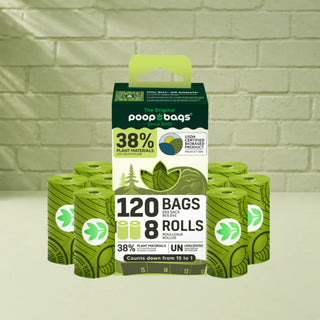
A 30-day reset is enough time to change what your pet routine produces and what it leaves behind. The routine you build in week four is the foundation for years of small, compound wins. Plant-based waste bags from brands like the Countdown Rolls line, refillable cleaners, washable pads, and sourcing transparency will quietly outperform marketing-driven alternatives in the long run. Take the audit seriously, sequence the swaps, and let the habits compound. The Original Poop Bags You Buy; We Donate® program shows how purchase choices in sustainable dog products ripple beyond the household into wildlife rescue and ocean defense funding that matter at a different scale entirely.

Sources
- Federal Trade Commission. (2012). Guides for the use of environmental marketing claims, 16 CFR Part 260. FtcGreen Guides
- Geyer, R., Jambeck, J. R., & Law, K. L. (2017). Production, use, and fate of all plastics ever made. Science Advances, 3(7), e1700782. Doidoi.org/10.1126/sciadv.1700782
- Lally, P., van Jaarsveld, C. H., Potts, H. W., & Wardle, J. (2010). How are habits formed: Modelling habit formation in the real world. European Journal of Social Psychology, 40(6), 998-1009. Doidoi.org/10.1002/ejsp.674
- Okin, G. S. (2017). Environmental impacts of food consumption by dogs and cats. PLOS ONE, 12(8), e0181301. DoiEnvironmental impacts of food consumption by dogs and cats
- U.S. Department of Agriculture. (2024). USDA BioPreferred Program. BiopreferredBioPreferred
- U.S. Environmental Protection Agency. (2023). Composting at home. EpaComposting At Home | US EPA
- U.S. Environmental Protection Agency. (2023). Reducing and reusing basics. EpaReducing and Reusing Basics | US EPA