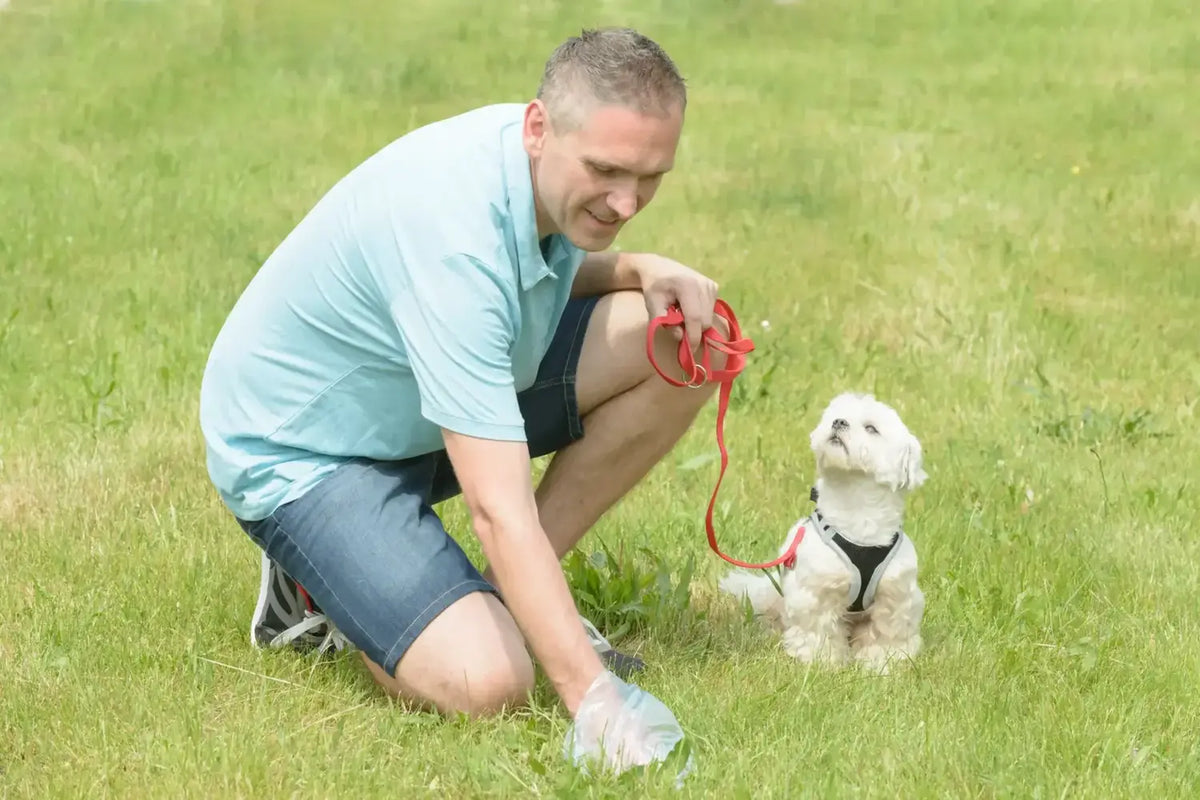


America's 77 million pet dogs produce roughly 10 million tons of waste every year. Line that up in tractor-trailers and the convoy stretches from Boston to Seattle. Most of it ends up in plastic bags, sealed inside landfills where it sits for decades. Or they are left on the ground, where rain washes pathogens and nitrogen straight into local waterways. The EPA classifies dog waste as an environmental pollutant in the same category as pesticides, herbicides, and toxic chemicals.
So what's a responsible dog owner supposed to do? The standard advice, bag it and bin it, keeps sidewalks clean, but it doesn't solve the underlying problem. Compostable bags help, yet without a composting system to match, those bags end up behaving exactly like conventional plastic in an oxygen-starved landfill. The real solution is closing the loop: picking up waste in a truly compostable bag and processing it through a home composting method designed to handle pet waste safely.

Why Dog Waste Belongs Somewhere Other Than a Landfill
The environmental math is stark. A single gram of dog feces contains around 23 million fecal coliform bacteria, roughly twice the concentration found in human waste. The EPA estimates that waste from just 100 dogs over two to three days generates enough bacteria to temporarily close a bay and all watershed areas within 25 miles to swimming and shellfishing.
When dog poop lands in a landfill sealed inside a plastic bag, decomposition essentially stalls. Modern landfills are engineered to minimize breakdown: compacted layers, synthetic liners, and caps that block oxygen, moisture, and microbial activity. Left on the ground, the picture is equally grim. Rain carries dog waste bacteria into storm drains and eventually into rivers, lakes, and coastal waters. Nitrogen and phosphorus from the waste fuel algal blooms that suffocate aquatic ecosystems. Unlike cow or horse manure, dog poop offers no agricultural benefit in its raw state because the canine diet produces waste with a pathogen profile that demands treatment before it can safely return to the soil.
What Makes Dog Poop Harder to Compost Than Kitchen Scraps
The reason municipal composting programs almost universally reject pet waste comes down to pathogens that are stubbornly difficult to kill. Dog feces can harbor roundworms (Toxocara canis), hookworms, whipworms, tapeworms, Giardia, Salmonella, E. coli, Cryptosporidium, and parvovirus. Of these, Toxocara canis is the most concerning for home composters because its eggs are among the most heat-resistant biological structures in composting. Standard hot-composting protocols, sustained temperatures of 140°F (60°C), destroy most bacterial pathogens but may not reliably eliminate roundworm eggs.
This doesn't mean home composting of dog waste is impossible. It means you need to choose your method carefully and commit to using the finished product only on ornamental plants, never on vegetable gardens or fruit trees. The three methods below each address the pathogen challenge differently, and when combined with certified compostable bags, they create a genuinely sustainable waste loop.
Choosing the Right Compostable Bag for the Job
The gold standard for compostable dog waste bags is ASTM D6400 certification. This standard ensures that a bag will fully biodegrade in a composting environment within a defined timeframe, leaving no toxic residues or microplastics. In Europe, the equivalent is EN 13432, certified by TÜV Austria under the "OK Compost" label.
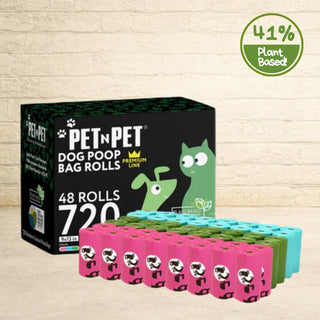
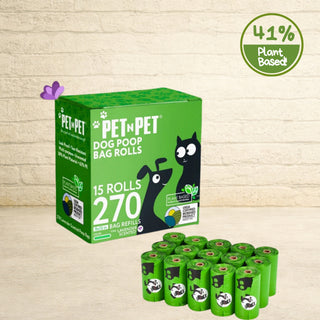
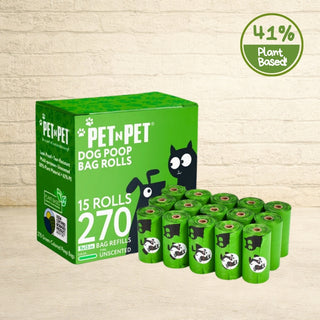
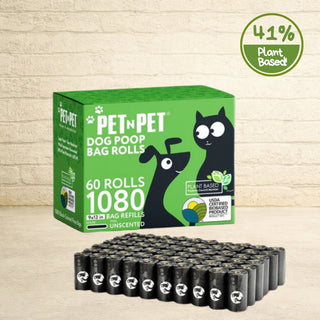
Poop Bags is a company that has been manufacturing sustainable dog waste bags since 2003, and offers ASTM D6400-certified compostable bags made from plant-based materials. What sets them apart is their commitment to pairing sustainability with transparency. Their USDA Certified Biobased product line is designed to break down in active composting conditions, not just carry a vague "eco-friendly" label. For dog owners building a home composting system, starting with a bag that's certified to the right standard is the critical first link in the chain.
Here's why that certification matters for home composting: Bags labeled "biodegradable" without ASTM D6400 or EN 13432 certification may only fragment into microplastics rather than fully decomposing. In a bokashi bucket or worm farm, leftover plastic fragments contaminate the finished compost and eventually the soil. Always verify the certification before tossing a bag into your composting system. For a deeper dive into bag materials and label reading, this guide on plant-based options breaks down what to look for.
Bokashi Fermentation: The Fastest Path From Poop to Soil
How It Works
When you layer dog waste with bokashi bran inside a sealed bucket, the microorganisms begin fermenting the material rather than decomposing it. This fermentation produces an acidic environment (pH around 3.5–4.0) that suppresses putrefactive bacteria and significantly reduces pathogen loads. The beneficial microbes in bokashi bran have been shown to inhibit fecal coliform bacteria and break down organic toxins, making the pre-compost far safer than raw waste. The fermentation phase takes roughly two weeks. After that, the fermented material needs to be buried in soil, where soil organisms complete the decomposition over another four to six weeks. The result is a nutrient-rich, microbially active soil amendment.
Setting Up a Bokashi System for Dog Waste
Keep your dog waste bokashi separate from your kitchen bokashi. Do not ferment pet waste in the same bin you use for food scraps. For a simple buried-bucket approach, take a five-gallon plastic bucket, cut out the bottom, and bury it in a remote corner of your garden so the open end sits in the soil and the lid remains above ground level. Each time you add waste, sprinkle a generous handful of bokashi bran over the top and replace the lid.

The soil organisms enter through the open bottom and work in tandem with the bokashi microbes, creating a continuous cycle of breakdown. Most owners find the bucket rarely fills completely because decomposition keeps pace with deposits. When it does fill, pull the bucket out (leaving the fermented material in the ground), relocate to a fresh spot, and let the buried material cure for at least six months before planting ornamentals over it.
The DIY In-Ground Digester: A Backyard Septic System for Dog Waste
Building Your Digester
This is a bottomless container buried in well-draining soil, activated with commercially available septic starter, and fed dog waste on an ongoing basis. The enzymes and naturally occurring soil bacteria liquefy the waste, and the resulting slurry disperses into the surrounding subsoil. Here's how to build one:
- Choose an old plastic garbage can or a five-gallon bucket with a tight-fitting lid.
- Drill a dozen quarter-inch holes in the sides to allow fluid and gas exchange with the surrounding soil.
- Cut out the bottom of the container entirely.
- Dig a hole deep enough to bury the container so that only the lid sits above ground level.
- Add a four-inch layer of gravel or small rocks at the bottom of the hole for drainage.
- Lower the container into the hole and backfill around the edges.
- Add your first batch of dog waste, pour in a gallon of warm water, and add the recommended dose of septic starter (brands like Rid-X or Roebic work well).
- Replace the lid and add waste daily, topping up with water and septic starter weekly.
Location matters more than construction. Site your digester well away from vegetable gardens, fruit trees, water sources, and high-traffic areas of the yard. Avoid heavy clay soils, as the slurry needs to percolate into the surrounding ground, and clay will cause the system to back up. Sandy or loamy soils are ideal. Microbial activity in a digester slows dramatically below 40°F and essentially stops in frozen ground. In cold climates, expect the system to pause over winter and resume processing in spring. The waste won't go anywhere in the meantime. It simply accumulates until temperatures rise enough for microbial activity to restart.
A Dedicated Worm Farm for Dog Waste
The Science Behind It
Composting worms can destroy human pathogens as material passes through their digestive systems. The mechanical grinding, enzymatic activity, and microbial ecosystem in a worm's gut create conditions that are hostile to many of the bacteria and parasites found in dog waste. However, there is no guarantee that every particle of waste will pass through a worm's digestive tract, so the finished castings still carry some residual risk.
Practical Setup
Start a completely separate worm bin dedicated exclusively to dog waste. Never combine it with a food-scrap worm farm. An outdoor setup is strongly recommended because dog waste vermicomposting can attract fly larvae that compete with worms for food. A covered, well-ventilated bin placed in shade keeps temperatures stable and discourages pests. Add dog waste in thin layers, alternating with carbon-rich bedding material to maintain a healthy carbon-to-nitrogen ratio. Overloading the bin with too much waste at once will create anaerobic pockets, generate odor, and stress the worm population.
Timeline and Output
Under good conditions, a worm farm processes dog waste into usable castings in two to three months, faster than hot composting but slower than bokashi. The resulting castings are excellent for flower beds, ornamental shrubs, and lawn top-dressing, but should never be applied to edible plants.
Safety Protocols That Make Home Composting Work
Regardless of which method you choose, a set of non-negotiable safety practices separates responsible composting from a backyard biohazard. Follow these rules without exception:
- Never apply dog waste compost to food gardens. This is the single most important rule. Until peer-reviewed research confirms that home composting reliably destroys Toxocara canis and other heat-resistant parasites, all dog waste compost must be restricted to ornamental use only.
- Keep composting systems away from water sources. Maintain at least a 50-foot buffer between your digester, bokashi burial site, or worm farm and any well, stream, pond, or storm drain.
- Wash your hands thoroughly after handling waste or compost. Use soap and warm water for at least 20 seconds. Keep dedicated gloves and tools for your pet waste system. Never cross-contaminate them with food or garden tools.
- Skip the composting system when your dog is sick. If your dog is being treated for parasites like Giardia or roundworms, or shows signs of gastrointestinal illness, bag the waste and send it to the landfill until treatment is complete and your vet gives the all-clear.
- Keep children and other pets away from composting areas. Young children are especially vulnerable to Toxocara infection. Fence off or clearly mark your composting zone.
- Maintain your dog's parasite prevention program. Regular deworming and veterinary parasite screening dramatically reduce the pathogen load entering your composting system in the first place.
Matching the Right Method to Your Situation
The bokashi method is the best fit for small yards and urban settings. The buried-bucket system takes up minimal space, produces no odor when managed correctly, and works in most soil types. It does require an ongoing supply of bokashi bran (roughly $15–25 per bag, lasting several weeks for one dog), but the speed of fermentation, two weeks to initial breakdown, makes it the fastest option. If you rent and can't dig holes, a two-bucket rotation system works on patios and balconies, though you'll need to find a soil burial site when the fermented material is ready.
The in-ground digester is ideal for suburban homes with medium to large yards and well-draining soil. Upfront cost is minimal, and the ongoing maintenance is nearly zero. Just add waste and top up water and enzymes weekly. The main limitation is the climate. The system goes dormant in freezing temperatures and doesn't work well in clay-heavy soil.
The worm farm produces the highest-quality end product but demands the most attention. It's best for experienced composters who already manage a vermicomposting system and are comfortable monitoring moisture levels, temperature, and worm health. It's not recommended as a first composting project.

Composting dog waste at home isn't a perfect solution. Home composting represents a meaningful step forward for dog owners willing to put in the effort. The most impactful version of this practice starts at pickup. Using a certified compostable bag, one that meets ASTM D6400 standards and is designed to fully biodegrade under composting conditions, means the bag itself becomes part of the composting process rather than a contaminant within it. Pair that with a bokashi bucket, an in-ground digester, or a dedicated worm farm, and you've built a closed-loop system that diverts waste from landfills, keeps pathogens out of waterways, and returns nutrients to your soil where they belong. The technology and knowledge exist right now. The only missing ingredient is the decision to start.
Sources:
- EPA Pet Care Fact Sheet — Pet Waste and Water Quality
- UF/IFAS Extension — Composting Dog Waste
- USDA NRCS — Composting Dog Waste Booklet
- TIME — Compostable Dog Poop Bags Aren't Really That Compostable
- Asparagus Magazine — Is Your Dog's Poop Bag Really Eco-Friendly?
- Vermont Journal of Environmental Law — Why the Waste?
- University of Washington SMEA — Scoop the Poop: It's Your Environmental Doody
- DC Report — New Research Links Dog Waste to Bacterial Pollution in Cities (2025)
- Red Worm Composting — Can Dog Poop Be Vermicomposted?