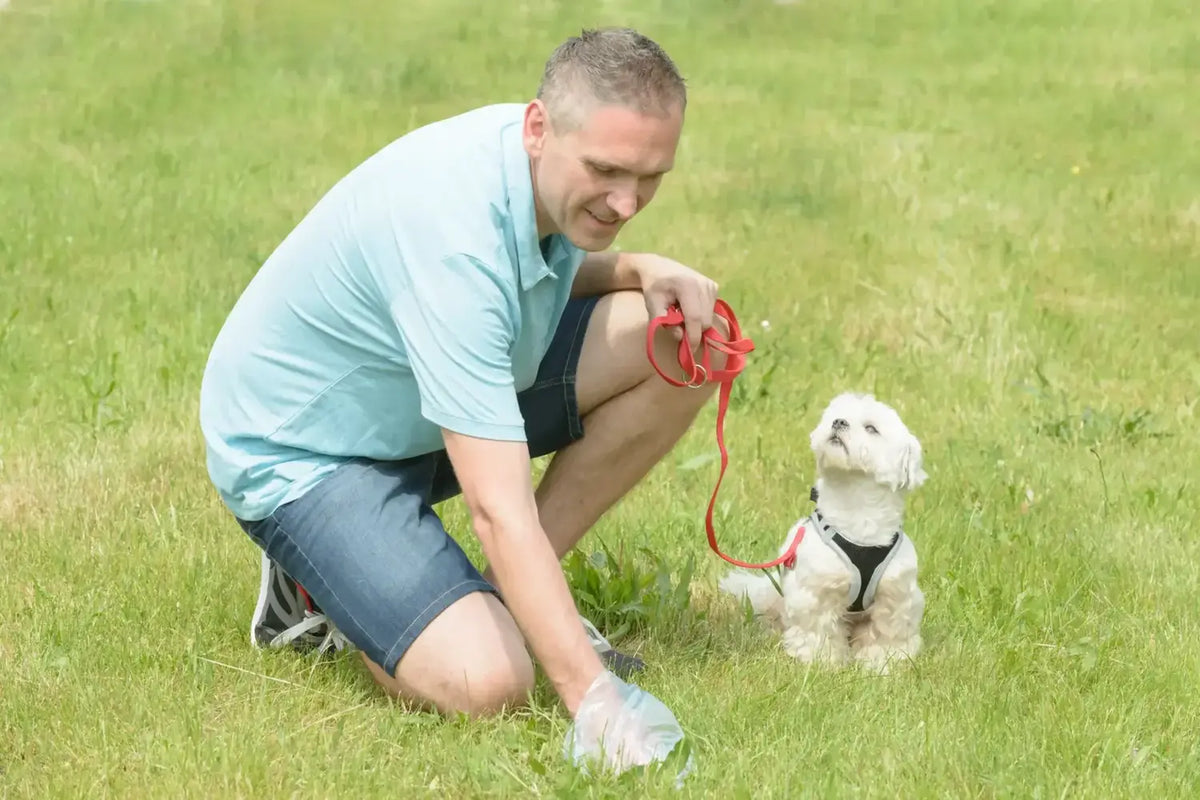



A dog park is a small civic society. Regulars know each other's names, the dogs work out their own social order, and unwritten rules shape who belongs and who gets a wide berth. New owners often miss the cues, while seasoned regulars sometimes forget how steep the learning curve can feel for someone arriving for the first time. The rules cover three core areas: bagging up after your dog, sharing space respectfully with people and pets you do not know, and stepping in when something needs attention.
The Unwritten Rules of Dog Park Etiquette
Park culture varies by neighborhood, yet a few patterns hold almost everywhere. Dog parks function on shared trust. Owners who reliably clean up and respect personal space build credibility with regulars. That credibility translates into easier friendships for both ends of the leash and a safer environment when minor incidents inevitably happen during peak hours.

Most regulars give new owners three small chances. A missed pickup, a poorly recalled dog, or a tense encounter can each be forgiven once. Patterns of repeated lapses get noticed quickly. Showing up prepared with dog park poop bags ready and an alert posture signals that you take the space seriously from day one. Pause outside the gate for a minute. Scan the park for the energy level and any obvious tension. A high-energy group might overwhelm a nervous dog. A sleepy afternoon group might suit a senior dog perfectly. The minute spent reading the space prevents the awkward retreat that comes with a poorly timed entry.
Bagging Etiquette: The Universal Standard
Cleanup is the single most visible test of dog park etiquette. Owners who bag promptly and consistently earn the benefit of the doubt on every other small infraction. Each step is small on its own, yet together they produce the kind of effortless cleanup that other regulars notice and respect:
- Watch Your Dog Even During Conversations: Maintaining eye contact with your dog throughout the entire park visit catches stool events the moment they happen. The split-second of attention is what separates owners who clean up promptly from those who get reminded by another regular and lose reputation points in the process.
- Reach For A Pre-Loaded Bag On Your Leash: Keep a bag pre-attached to your leash so retrieval is one motion. Dog poop bags with leash clip designs make this fast and reliable. The reduced friction means you bag up before any other dog reaches the spot, which is exactly what other owners are watching for.
- Step Toward The Stool Before Other Dogs Notice: Move briskly without urgency. The subtle speed protects the location while preserving the park's relaxed tone. Owners who rush noticeably create unnecessary tension; owners who move smoothly look like the regulars they are trying to become over time.
- Knot Tightly and Avoid Air Pockets: A tightly knotted bag contains odor and bacteria. Portable dog poop bags with enough length to knot securely ensure a reliable seal. The knot quality is the single visible signal of bag-and-owner discipline that other regulars notice and quietly evaluate during the same routine cleanup. Avoid carrying the bag for extended chats. The longer it dangles, the more uncomfortable it looks for other owners. A direct walk to the bin and back keeps social interactions clean and signals respect for the shared space everyone is using.
Pull a fresh bag from your pouch or dispenser to replace the one used. The replacement habit prevents the dreaded moment of arriving at the next park visit and discovering an empty leash clip when your dog needs a quick second pickup. Lightweight dog poop bags with easy-open lips let you bag up in seconds. The right design becomes invisible in your routine, letting you stay focused on your dog.
What to Do If Your Dog Eats Stool
This happens. Speak with your veterinarian about diet or behavior interventions. The park is not the place to manage the issue, and other owners appreciate quiet redirection rather than loud reactions that draw attention to the moment. Carrying ample dog poop bags for walks in advance also helps because rapid pickup reduces the window for the behavior to occur on a busy afternoon.
Reading Other Dogs Before Approaching
Body Language Basics
Recognizing dog body language helps prevent most conflicts at parks. A loose, wagging tail with relaxed ears generally signals openness. Stiff tail, raised hackles, and direct staring suggest mounting tension. The American Veterinary Society of Animal Behavior's body language resources describe the cues in greater detail. Reading the early signals lets you redirect before situations escalate.
Recognizing Stress Signals
Lip licking, yawning, turning away, and tucked tails all signal stress. Stressed dogs benefit from space, not socialization. Owners who pull their dog out of a group at the first sign of stress protect both their dog and the group's harmony.
Recognizing Play Bows and Friendly Cues
Bouncy gaits and short pauses with shaking off are all healthy play signals. Letting dogs play freely when these cues are present produces the joyful park interactions that keep dogs and owners coming back. A reliable recall is the single most useful skill at a dog park. Practice it regularly outside park hours. Calling your dog at calm moments to break up over-excited play prevents tension from spiraling and reinforces that recalls do not always end the fun.
Avoiding the Bowl-Crowding Trap
Resource guarding around water bowls is the most common trigger for conflict. Owners who recall their dog away from crowded bowls and let other dogs hydrate without competition prevent most resource-based incidents. Bringing your own collapsible bowl is a polite alternative when the shared bowl gets busy.
Gear and Carrying What You Need
The Minimum Carry
A loaded dispenser, a small water bottle, a collapsible bowl, and a recall cue (a high-value treat or a known signal) cover most park visits. Add sunscreen and shade in summer and warmer layers for your dog in winter. Travel dog poop bags in a small carry pouch to keep the loadout discreet.
Why a Reliable Bag Dispenser Matters
A leash-mounted dispenser puts bags within reach instantly. Dog poop bag dispenser designs that hold 10 to 15 bags reduce the worry of running out of bags. Refill it before leaving the house each time so you never face the moment of empty-clip realization at the gate.

Leash and Harness Choices for Park Areas
Most parks require leashes inside the entry vestibule. Use a sturdy six-foot leash rather than a retractable leash in this zone. Many regulars also unclip and reclip at specific spots based on the dog's energy that day, so a quick-release setup is worth practicing before the visit. Small dog poop bags still work well for routine pickups when matched to the right dispenser.
First Aid Basics
Carry a small first aid kit in your car. Most parks rarely need it, yet readiness matters when a paw pad gets cut on a thorn. Sharing supplies with another regular in a pinch builds the kind of long-term goodwill that protects everyone.
Stepping In: When and How to Intervene
Knowing when and how to intervene calmly is what separates a calm regular from a panicked new owner.
Reading Tension Before It Becomes Conflict
Tension precedes most conflicts by 10 to 30 seconds. Ears pin, hackles rise, growls escalate, and movement gets stiff. Recognizing these cues lets you redirect dogs verbally before physical contact happens. Owners who watch the room consistently catch tension early and resolve it without anyone noticing. Verbal redirection works first. Most dogs respond to a calm, confident voice asking them to break it up. Physical intervention is a last resort because hands near snapping mouths are at high risk. Dog behavior guidance emphasizes verbal cues and body positioning over hands-on intervention.
Calling Your Dog Out of a Group
A practiced recall in the middle of play protects your dog and signals strong handling to other owners. Reward generously every time. The reliability of the recall becomes the most-noticed asset of any park-going dog after the cleanup routine itself.
When to Leash and Leave
Some days, your own dog is having an off day. Leash up and leave without explaining at length. The graceful exit prevents escalation and protects both your dog's safety and your reputation as someone who knows when to walk away.
Cleanup, Disposal, and Bin Etiquette
Drop bags in fully and let the lid close. Avoid leaving bags balanced on top because they often fall and create a mess for staff. Dog poop bags for parks designed with secure knots stay closed during disposal, even if the bin gets jostled by other users throughout the day. If bins are full or missing, carry the bag to the next bin or take it home. Leaving a bagged stool next to a full bin defeats the purpose of bagging entirely. Many parks operate on a volunteer basis and under budget constraints, so carrying out is often the most considerate choice during peak weekends.
A small carry pouch handles the bag during the walk to a working bin. Dog poop bag holder options are available for owners who walk long distances between parks and home, and they make the carry-out norm easier to follow consistently amid busy schedules.
Bin Etiquette Habits That Keep Parks Clean
These habits take no time and show up clearly in the way the park looks at the end of a busy weekend. Each one represents a small kindness toward staff and the next group of visitors:
- Knot Bags Tightly Before Approaching The Bin: Tightly knotted bags stay closed inside the bin even during high-traffic days. Loose knots release odors and harbor bacteria in the immediate area, making cleanup harder for park staff and creating an unpleasant experience for the next users approaching the same bin.
- Drop Bags All The Way Inside The Container: Bags stacked on the rim fall out, blow away, and create messes that take staff hours to address. Pushing bags fully inside the bin takes one extra second and prevents the kind of scattered debris that gives parks their worst appearance after busy afternoons.
- Carry Out If The Bin Is Already Full: A full bin is a temporary problem. Carry the bag to the next bin or to your car. On-the-go poop bags in compact carry pouches make this easy. Stacking bags on or beside a full bin defeats the purpose of bagging.
A quick email with a photo prompts faster fixes than silence. Most municipal parks rely on user reports for maintenance scheduling. Repeatedly skipped pickup routes are prioritized when regulars provide documentation that allows staff to justify the budget request.
Building a Reputation as a Considerate Dog Owner
Friendly regulars usually offer a first hello and a few park tips. Reciprocate by being open without overcommitting to long conversations on day one. Clip-on dog poop bag holder options on the leash signal preparedness immediately to anyone who notices. Also, a park that stops working for your dog is not the right park. Different parks have different cultures, different demographics, and different times of day. Try alternatives. The first park you found is rarely the only good one within a reasonable drive, and finding the right fit improves the experience for everyone.

A dog park visit is short, yet the rhythm shapes how your dog learns to socialize and how your neighborhood views the regulars. Bagging up promptly, sharing space generously, and stepping in calmly together produce the reputation that opens every other small kindness in park life. Reliable dog walking poop bags keep the cleanup side of the equation predictable, so your attention stays on your dog and the social space. The Original Poop Bags® offers options that fit the carry-out routine, and the Countdown Rolls line works well for households doing several park trips per week. Pair a strong bag with a calm voice and a watchful eye, and the park will quickly become a place your dog looks forward to, and your neighbors trust you in.
Sources
- American Society for the Prevention of Cruelty to Animals. (n.d.). Dog care. AspcaDog Care
- American Veterinary Society of Animal Behavior. (n.d.). Position statements and resources. AvsabHome - The American Veterinary Society of Animal Behavior
- Bradshaw, J. W. S. (2011). In defence of dogs: Why dogs need our understanding. Allen Lane.
- Howell, T. J., King, T., & Bennett, P. C. (2015). Puppy parties and beyond: The role of early age socialization practices on adult dog behavior. Veterinary Medicine: Research and Reports, 6, 143-153. DoiPuppy parties and beyond | VMRR | Dove Medical Press
- Mariti, C., Gazzano, A., Moore, J. L., Baragli, P., Chelli, L., & Sighieri, C. (2012). Perception of dogs' stress by their owners. Journal of Veterinary Behavior, 7(4), 213-219. Doidoi.org/10.1016/j.jveb.2011.09.004
- U.S. Centers for Disease Control and Prevention. (2023). Healthy pets, healthy people: Dogs. Cdccdc.gov/healthypets/pets/dogs.html