

Pet travel multiplies the daily plastic footprint of an otherwise sustainable household. A weekend trip with a single dog can generate more disposables than a full week at home if the kit defaults to plastic mat liners and conventional waste bags. The good news is that eco-friendly pet travel kits have caught up with the rest of the sustainable pet products market.
Why Pet Travel Generates So Much Waste
Travel makes every choice feel temporary. A single weekend can generate as much packaging waste as a full week at home, especially when convenience stores fill the gaps that planning could have closed. Lightweight travel gear often relies on synthetic materials that shed microplastics. Travel bowls made of cheap polypropylene degrade quickly. Travel poop bags that are simply repackaged conventional plastic offer no environmental advantage. Reading the materials' labels matters as much on the road as it does at home. A one-time investment in sustainable pet travel supplies pays back across years of trips. Plant-based waste bags handle daily use without performance compromise. The upfront cost is modest compared with the cost of replacing low-quality gear after every other trip.

Building the Core Travel Kit
A well-built travel kit handles 90% of trips with one packing routine. The remaining 10% needs minor adjustments for climate, trip length, or activity intensity. Each step builds on the previous one, so nothing critical gets left behind during a busy departure morning:
- Lay Out Every Item In One Place First: Spread bowls, beds, food, treats, leashes, biodegradable travel poop bags, vaccination records, and emergency contacts on a single surface. The visual layout catches missing items before they become a problem at the rest stop. The five minutes of setup time prevent the much higher cost of an emergency convenience-store run during the drive.
- Pre-Portion Food And Treats Into Reusable Containers: Measure daily food rations into stainless or glass containers labeled by day. Pre-portioning prevents both overfeeding during travel stress and the temptation to grab disposable single-serve packs from a roadside store.
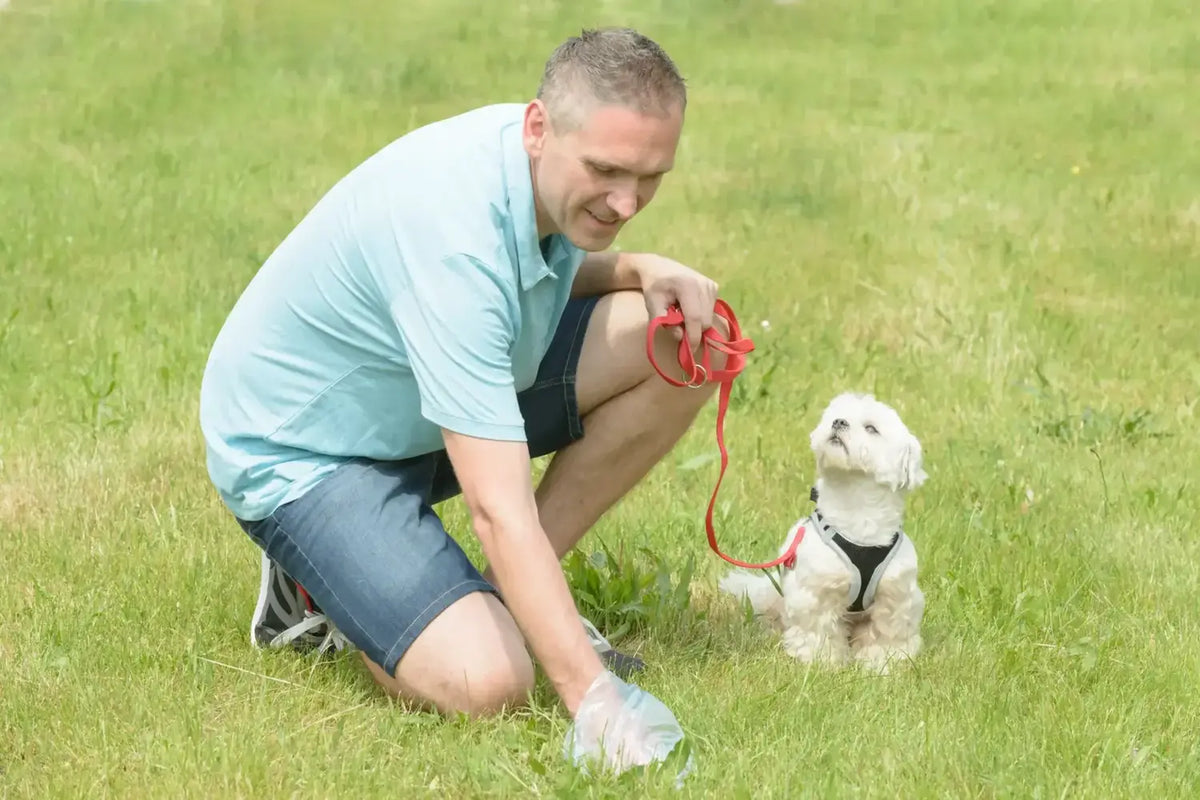
- Pack The Waste-Bag Supply For Twice The Trip Length: Travel routines often produce extra cleanup events. Plant-based poop bags doubled in count. Handle these surprises without leaving you short. The extra bags weigh almost nothing, and the peace of mind during a multi-day road trip is meaningful.
Compostable travel poop bags in a small carry pouch keep cleanup organized inside the kit. A clean, well-organized kit at packing reduces the time required to repack at the end of the trip when energy is lowest.
Bowls and Hydration on the Road
Stainless Steel and Bamboo Options
Bowls are the most under-considered piece of travel gear. Stainless steel bowls last for years and resist bacterial buildup better than plastic alternatives. Bamboo composite bowls offer a lighter option with naturally antimicrobial properties. Both materials avoid the BPA and phthalate concerns associated with plastic bowls in the daily food and water routine.
Collapsible Bowls That Pack Small
Silicone or fabric collapsible bowls compress to pocket size. Quality varies widely. The cheapest models split or leak within a few trips. Eco-friendly travel bowls designed for repeated use last for hundreds of trips when sourced from brands that publish their material specifications and offer warranty support. Plastic bowls leach chemicals over time, especially when exposed to heat, dishwasher cycles, or scratches. Switching to stainless or glass eliminates the risk entirely. The change matters more for senior pets and those with kidney or liver concerns, where chemical exposure compounds known health risks over time.
Water Storage for Long Trips
A dedicated water bottle for the dog avoids the convenience-store water-bottle stack that piles up on long road trips. Insulated stainless bottles keep water cool in summer. Pairing one with a collapsible bowl lets you offer water at any rest stop without single-use packaging.
Cleaning Bowls in Hotel Rooms
A small bottle of pet-safe dish soap, a folding microfiber cloth, and a sealable carry bag for wet items handle daily cleaning in any hotel sink. The whole cleaning kit takes less space than a single disposable bowl liner and avoids the pile of single-use cleaning materials many travelers default to.
Beds and Resting Surfaces
Beds provide familiarity that reduces travel anxiety. Sustainable travel pet bedding options compare favorably to new-material alternatives in terms of comfort and durability. The recycled content reduces the upstream environmental footprint without compromising on the dog's experience.
A removable, machine-washable cover handles most travel-day messes. For trips without laundry access, a compact lint roller and a small spray of pet-safe enzymatic cleaner cover spot cleaning. The two items together fit in a sandwich-sized pouch and handle most weekly maintenance during multi-week trips.
Waste Bags and Cleanup On the Go
Why Bag Choice Matters More When Traveling
Travel routes pass through many waste systems with different acceptance rules. A bag that biodegrades reliably across this variability is more useful than one tied to a single ideal disposal pathway. Plant-based bags handle variability gracefully because their upstream sourcing benefits persist regardless of where disposal occurs. Plant-based bags weigh the same as conventional bags. The performance is comparable across hot, cold, and wet conditions. The Original Poop Bags offer pet supplies that work in all standard dispensers. Switching to plant-based for travel imposes no logistical burden compared with conventional alternatives.
Many trails, beaches, and city centers lack convenient bins. A small carry pouch on the leash keeps tied bags contained until the next bin. The U.S. Environmental Protection Agency's pet waste guidance describes proper disposal practices that apply equally on the road.

Bag Counts for Multi-Day Trips
Pack twice the daily home count on the first day, then 1.5x the daily home count for each additional day. Stress, dietary changes, and unfamiliar surfaces all increase the frequency of cleanup events. Running short of dog waste bags during a road trip is a frustrating, easily avoidable problem that can be prevented by packing one extra roll.
Hotel and Airbnb Cleanup Etiquette
Many lodging properties charge cleaning fees for missed pet waste. Bag and remove all stool from balconies, lawns, and walkways before checkout. Most hosts appreciate a brief note about their eco-friendly bag choice, and some properties highlight green, pet-friendly hosts in their listings as a marketing edge.
Treats, Food, and Storage Containers
Pre-portion food into stainless or glass containers labeled by day. The system avoids the resealable plastic bags that pile up in trash bags during multi-day trips. The cost of three or four containers pays back within a year of regular travel. Refillable cloth or silicone treat pouches replace the single-use plastic treat bags that many manufacturers default to. The pouch attaches to a leash or belt loop. Travel dog gear built around reusables consistently outlasts single-use alternatives by a wide margin in both durability and visible plastic reduction.
Pair one insulated water bottle for the dog with a folding bowl. Refill at gas stations, hotels, and rest stops. The combination eliminates dozens of single-use cups and bottles across a multi-day road trip. Green pet travel gear designed for refills is now widely available at major outdoor retailers.
Single-serve snack packs are convenient and wasteful. Bulk treats, divided into a refillable pouch, perform identically without the packaging. The small upfront effort to portion treats at home pays off throughout the trip with less trash, less stop time, and less dependence on convenience stores.
Documentation and Plant-Based Packaging
Print and pack vaccination records, microchip information, and emergency vet contacts. Many countries and some U.S. states require specific documents for travel. The American Veterinary Medical Association's travel guidance covers the recurring requirements that most travelers find surprising.
Compostable wipes and food liners handle messes without adding plastic to the trip. Several brands make pet-safe compostable wipes with a lemongrass or chamomile scent. Compact eco poop bags in a leash-mounted dispenser cover the rest of the cleanup needs on the road. Long flights with pets carry meaningful carbon costs. Driving with efficient route planning reduces the footprint compared with multi-stop air travel. Zero-waste pet travel is a stretch goal for most households, but consolidating trips and choosing low-emissions transport options gets meaningfully closer to it across an annual travel calendar.

Recap: Eco-Friendly Items Worth Carrying On Every Pet Trip
These items earn their place in a travel kit because they serve multiple roles, last across many trips, and meaningfully reduce single-use plastic. Skip them at the cost of either comfort or extra packaging waste:
- A Stainless Steel or Bamboo Travel Bowl: Stainless steel and bamboo bowls handle food and water without the microplastic risk that comes with cheap polypropylene alternatives. Both materials withstand thousands of cleanings, resist odor retention, and pack flat in most travel kits without adding meaningful weight to a backpack. The upfront investment is modest compared to a season of disposable bowls, and a quality stainless or bamboo bowl typically outlasts most other travel gear by a significant margin without compromising hygiene or the dog's day-to-day comfort on the road.
- A Refillable Treat Pouch With A Belt Clip: A cloth or silicone treat pouch eliminates the plastic snack packs that single-serve treats arrive in, replacing them with a refillable container that holds a full week of training rewards. The belt clip keeps the pouch fixed on the hip during walks, freeing both hands for the leash and waste bags. Replacing dozens of single-use bags adds up quickly over a single travel year of regular use, and the pouch itself costs less than two months of pre-portioned commercial treats.
- A Recycled-Fiber Travel Bed With A Washable Cover: Recycled polyester and post-consumer plastic fills now offer the same loft and comfort as virgin-material beds at comparable price points, without the upstream environmental cost of new petroleum inputs. A washable cover handles the mess of unfamiliar floors, damp paws, and the occasional accident in a hotel room. The cover-and-bed combination usually fits in a backpack or under a car seat, and the cover itself withstands many wash cycles during regular travel without losing its shape, color, or protective function.
- A Compact Carry Pouch For Tied Waste Bags: A small zippered pouch holds tied waste bags between bins on long trails, city walks, and stretches of road where public trash cans are spaced miles apart. The pouch keeps odor and any small leaks contained inside the bag rather than on hands or clothing during the carry. Eco-friendly pet travel kits that include this small accessory feel meaningfully more polished on the road, and the pouch itself washes clean in a sink after each trip.
- A Reusable Water Bottle With A Built-In Bowl: Combination bottle-and-bowl designs eliminate two pieces of gear for the price of one. The dog drinks from the integrated bowl while the bottle stays clean. The all-in-one design works especially well on day hikes and long urban walks where single-use cups would otherwise pile up at every rest stop.
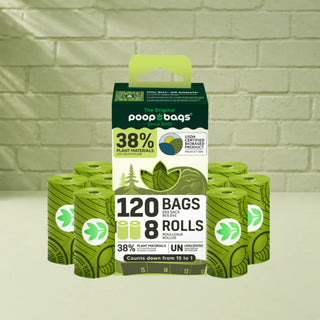
Travel is one of the easiest contexts in which to scale up eco-friendly pet care because the choices repeat across trips. A solid kit pays back across years of weekends, holidays, and longer adventures. The Original Poop Bags® product line works well in travel kits, especially the Countdown Rolls format that fits standard leash dispensers. The brand's You Buy; We Donate® program shows how a single travel-ready bag choice ripples into broader animal welfare and ocean defense work, which is exactly the kind of compounding benefit a thoughtful pet travel kit can deliver across the years your dog spends on the road with you.
Sources
- American Veterinary Medical Association. (n.d.). Traveling with your pet. Avmaavma.org/resources-tools/pet-owners/petcare/traveling-your-pet
- American Society for the Prevention of Cruelty to Animals. (n.d.). General travel tips. AspcaTravel Safety Tips
- Bashir, U., et al. (2023). Microplastic exposure from food contact materials: A review of human health implications. Environmental Research, 219, 115021. Doidoi.org/10.1016/j.envres.2022.115021
- Geyer, R., Jambeck, J. R., & Law, K. L. (2017). Production, use, and fate of all plastics ever made. Science Advances, 3(7), e1700782. Doidoi.org/10.1126/sciadv.1700782
- U.S. Department of Agriculture. (2024). USDA BioPreferred Program. BiopreferredBioPreferred
- U.S. Environmental Protection Agency. (2023). Managing pet and wildlife waste. Epaepa.gov/nps/managing-pet-and-wildlife-waste
- World Small Animal Veterinary Association. (2020). Vaccination guidelines for the owners and breeders of dogs and cats. WsavaVaccination Guidelines - WSAVA