

Adding a second or third dog to a household multiplies daily waste output and hygiene risks faster than most pet parents expect. The cleanup task that took five minutes with one dog can stretch into a recurring 20-minute project across walks, yards, and indoor accidents. This guide walks through the routines that turn multi-dog cleanup from a daily friction into a quiet background system that protects your family.
The Reality of Multi-Dog Waste Management
Why Multi-Dog Output Is More Than Additive
Two dogs create more cleanup events than one dog would. Add a third dog and the daily count multiplies again. Households that plan for realistic loads avoid the common mistakes of underbuying bags or underestimating how long the routine actually takes.
Common Pitfalls
A new dog often arrives with parasites or unfamiliar routines, which can lead to inconsistent stool. The first month is the riskiest window because hygiene gaps appear faster than habits adapt. Bulk dog poop bags ordered ahead of the new arrival prevent the supply scramble that often accompanies the transition. Skipped scoops in a multi-dog yard produce a cycle that is hard to recover from. Grass dies, and odor reaches inside the home. A single missed weekend can require hours of catch-up work. The arithmetic favors small daily rounds over large weekend recoveries by a wide margin.

Daily Routines That Actually Work
Morning and Evening Walk Logistics
Pre-loaded leashes, accessible dog poop bag rolls, and a designated outdoor trash spot let walks happen without inventory checks. Households with three or more dogs sometimes split the walks between adults to avoid one person managing more than two leashes at a time on a busy sidewalk.
Yard Patrol Schedules and Frequency
A daily yard scoop is the single biggest hygiene win. Most multi-dog yards need a morning sweep before children play and another sweep before evening dog time. Skipping a day shows up as parasite risk, bacterial load, and odor across the entire space within roughly 48 hours.
Logging What's Normal for Each Dog
Each dog has individual baseline stool patterns. Track them briefly in a shared family note. Sudden changes for one dog are easier to spot when each baseline is documented, and the log becomes invaluable during vet visits when everyone in the household can describe what is normal versus new.
Splitting Cleanup
Multi-dog homes work best when cleanup tasks are divided clearly. One adult handles morning walks, another handles evening yard sweeps, and weekend deep-cleans rotate. The split protects against burnout and ensures coverage when one person travels. Posted schedules near leash hooks reinforce the routine without nagging.
Tools and Equipment Worth Owning
Most tools cost little and pay back in minutes saved each week.
Pooper Scoopers and Outdoor Waste Containers
Long-handled scoops work for grass, while flat-pan scoopers handle hard surfaces. Some yards benefit from a rake-style scoop for thick grass. Choose tools that match your yard's terrain rather than buying a single generic model that performs poorly across multiple surfaces. A dedicated outdoor bin with a tight lid prevents wildlife from accessing it and contains odors between trash days. Smaller transitional containers near the back door reduce the number of trips to the curb. Both make daily cleanup feel less repetitive and reduce the temptation to leave waste sitting in the open.
Dispenser Setups for Quick Bag Access
Mounted dispensers near the leash hook, garage door, and yard entry put bags within arm's reach at every cleanup event. Dog poop bag refills that fit standard dispensers reduce friction across the routine. The mental cost of hunting for bags is exactly what causes households to skip cleanups during busy mornings.
Yard Cleanup Apps and Trackers
Several apps log cleanup completion, parasite treatment dates, and supply reorder schedules. Even a simple shared notes file works. Tracking is what keeps multi-adult households aligned on who did what and what still needs attention before the day ends.
Storage Solutions That Keep Bags Within Reach
A designated cabinet for dog poop bags bulk purchases keeps the supply tidy and prevents misplaced rolls. These items show up across most well-run multi-dog homes. Each handles a recurring friction point that small purchases cannot fully solve:
- Long-Handled Yard Scoop With a Compatible Pan: A long handle protects your back during daily yard sweeps. Pair the handle with a scoop pan sized for your yard's terrain. The combination cuts a 20-minute scoop down to under 10 minutes and reduces recovery time after weekend lapses due to travel or weather.
- Sealable Outdoor Bin With a Foot-Pedal Lid: A foot-pedal lid keeps hands free and seals odors between trash days. Lockable lids prevent wildlife and curious children from accessing waste. Position the bin in a shaded corner away from the house to reduce smell on warm afternoons and during summer humidity.
- Heavy-Duty Cleaning Bottle Set With Concentrate: Pet-safe enzymatic cleaners in concentrate form handle indoor accidents and outdoor zone cleaning equally well. Concentrate saves plastic, money, and storage space while delivering identical performance once diluted. Multi-dog homes typically go through a quart of concentrate every 6 to 8 weeks with regular use.
- Shared Family Calendar With Cleanup Assignments: A simple weekly grid posted near the leash hook prevents missed rounds. Calendars also reduce arguments about who did what last weekend. Households often find that visible accountability matters more than detailed scheduling.
Choosing Bags for Multi-Dog Volume
Why Bulk Sizes Make Financial Sense
Per-bag cost drops sharply at bulk volumes. Households using 10 or more bags daily benefit immediately. Dog poop bags wholesale quantities and case-sized purchases save meaningful money across a year while reducing packaging waste compared with repeated small-pack purchases.

Strength Requirements
Larger dogs and back-to-back pickups produce heavier per-bag loads. Heavy-duty dog poop bags rated for thicker films handle the load without tearing. Households that mix bag tasks (single pickup vs yard scoop transport) sometimes keep two thicknesses on hand to match the load.
Plant-Based Options at Bulk Volumes
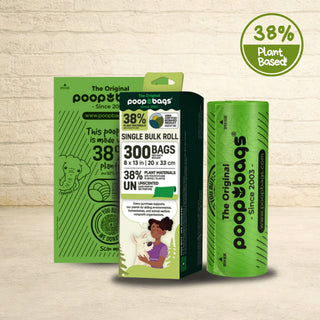
Plant-based formulations are now widely available in bulk. The Original Poop Bags® offers options across plant-content percentages, including 92% plant-based bulk roll dog poop bags designed for households that want eco-aligned options for multi-dog volumes without compromising durability. A monthly or quarterly refill subscription removes the reorder decision entirely. Set it to auto-deliver and adjust quantity as the household changes. Subscription discounts often offset shipping costs. Many households report never running out once the cadence is dialed in correctly.
Hygiene Considerations With Multiple Dogs
Routine cleanup is the single biggest factor in keeping the household healthy.
Pathogen Risk
Multiple dogs can share parasites, bacteria, and viruses through contact with stool. The U.S. Environmental Protection Agency's pet waste guidance describes the runoff and pathogen risks created by uncollected waste. Daily yard scoops with heavy-duty bulk poop bags break the reinfection cycle and reduce environmental contamination meaningfully.
Cross-Contamination Between Dogs
Shared toys, water bowls, and bedding spread pathogens quickly. Cleaning these items weekly with pet-safe disinfectant keeps the load manageable. Households introducing a new dog should keep items separate for the first 2 weeks while waiting for fecal exam results from the new arrival. Enzymatic cleaners outperform bleach for pet-related cleaning because enzymes break down protein-based stains and odor sources. Keep a dedicated pet cleaning kit separate from kitchen and bathroom supplies. The separation reduces accidental cross-contamination during busy multi-dog mornings.
Vaccinated and Unvaccinated Pets Sharing Space
Puppies and recently rescued dogs may not be fully vaccinated for several weeks. Keep unvaccinated dogs in lower-risk areas during the gap. Consistent waste removal protects vulnerable dogs from parasites that thrive in shared yards.
Yard Maintenance for Multi-Dog Homes
Concentrated nitrogen from urine burns grass over time. Multi-dog yards often need overseeding, soil testing, and rotation strategies to maintain healthy coverage. Aerating the yard once or twice per year helps water and air reach roots beneath compacted dog-traffic zones. Training dogs to use one corner of the yard simplifies cleanup and protects the rest of the lawn. The designated zone benefits from gravel, mulch, or artificial turf that drains well and resists wear. Rotating zones each season can give the grass time to recover in areas that were previously heavily used.
Pet waste left on lawns enters stormwater systems and waterways during rain. Yards with poor drainage benefit most from prompt collection, as pooled water accelerates the movement of pathogens off-site.
Sustaining the System Long-Term
Walk the yard slowly once per quarter. Look for missed waste, drainage issues, dead patches of grass, and any signs of parasite reinfection. Quarterly audits catch the small issues that daily routines miss, and the investment is small compared with the cost of addressing major yard recovery later.
New dogs disrupt routines for the first 30 to 60 days. Onboard them with an extra round of yard sweeps and dog poop bags. Make large-quantity purchases ahead of arrival. The routine stabilizes faster when the supply side never lags behind the new dog's actual output.
Senior dogs often need more frequent bathroom trips, sometimes including overnight outings. Place additional dispensers and a small flashlight near the back door to keep nighttime cleanup quick. The Original Poop Bags have the best biodegradable poop bags, while the You Buy; We Donate® program shows how routine choices in waste-bag purchasing connect to wildlife rescue and animal advocacy programs that benefit far beyond your own multi-dog home.
Four Steps To Onboard A New Dog Into Your Cleanup Routine
These steps are the same sequence that multi-dog households use whenever a new pet arrives. Run them in order over the first few weeks rather than trying to compress them into a single weekend that always ends up behind schedule:
- Stock Up On Supplies Before The New Dog Arrives: Order bags, scoops, and cleaning concentrate in higher-than-usual quantities a week ahead. New arrivals often produce inconsistent stool for two or three weeks, so the supply buffer prevents the panic shopping trip that always seems to coincide with the busiest day of the dog's transition period.
- Quarantine Bowls, Toys, and Bedding Until Vet Checks Clear: Keep the new dog's items separate until fecal exam results return. The two-week separation protects existing dogs from any parasites the newcomer may carry. The minor inconvenience pays back in avoided treatment cycles and the stress of household-wide deworming protocols later.
- Expand The Yard Scoop Schedule For The First Month: Add a midday yard sweep during the transition. The extra round catches the inconsistent stool typical of dietary adjustment and reduces the parasite reinfection window that opens when an unvaccinated dog joins the household. Drop back to the regular schedule once stool stabilizes.
- Update the Family Cleanup Calendar With The New Dog: Add the new dog's name to the shared schedule, including walk times, dispenser locations, and food prep notes. Visible inclusion aligns all household members and reduces minor confusion that erodes the cleanup discipline existing dogs depend on for healthy daily routines.
A multi-dog household runs smoothly when the routine, the tools, and the supply chain all align. Dog waste bags for households at the right volume and a clearly divided cleanup schedule remove the daily friction that causes most multi-dog systems to fail. Compostable bags for dog poop bulk are now widely available for households ready to pair scale with sustainability. The Bulk Roll line is built for exactly the kind of cleanup volume multi-dog homes face every week. Start with one routine change, prove it works, and stack the next one. Within a season, the system runs itself, and the dogs benefit from a cleaner, healthier home that scales with the family as they grow.

Sources
- American Veterinary Medical Association. (n.d.). Disposing of pet waste. Avmaavma.org/resources-tools/pet-owners/petcare/disposing-pet-waste
- Beugnet, F., & Halos, L. (2018). Parasites of dogs and cats. Servet Editorial.
- Companion Animal Parasite Council. (2023). General guidelines for veterinarians: Parasitic disease. Capcvetcapcvet.org
- Day, M. J. (2017). One health: The importance of companion animal vector-borne diseases. Parasites & Vectors, 4(49), 1-7. DoiOne health: the importance of companion animal vector-borne diseases
- U.S. Environmental Protection Agency. (2023). Managing pet and wildlife waste. Epaepa.gov/nps/managing-pet-and-wildlife-waste
- World Small Animal Veterinary Association. (2020). Vaccination guidelines for the owners and breeders of dogs and cats. WsavaVaccination Guidelines - WSAVA