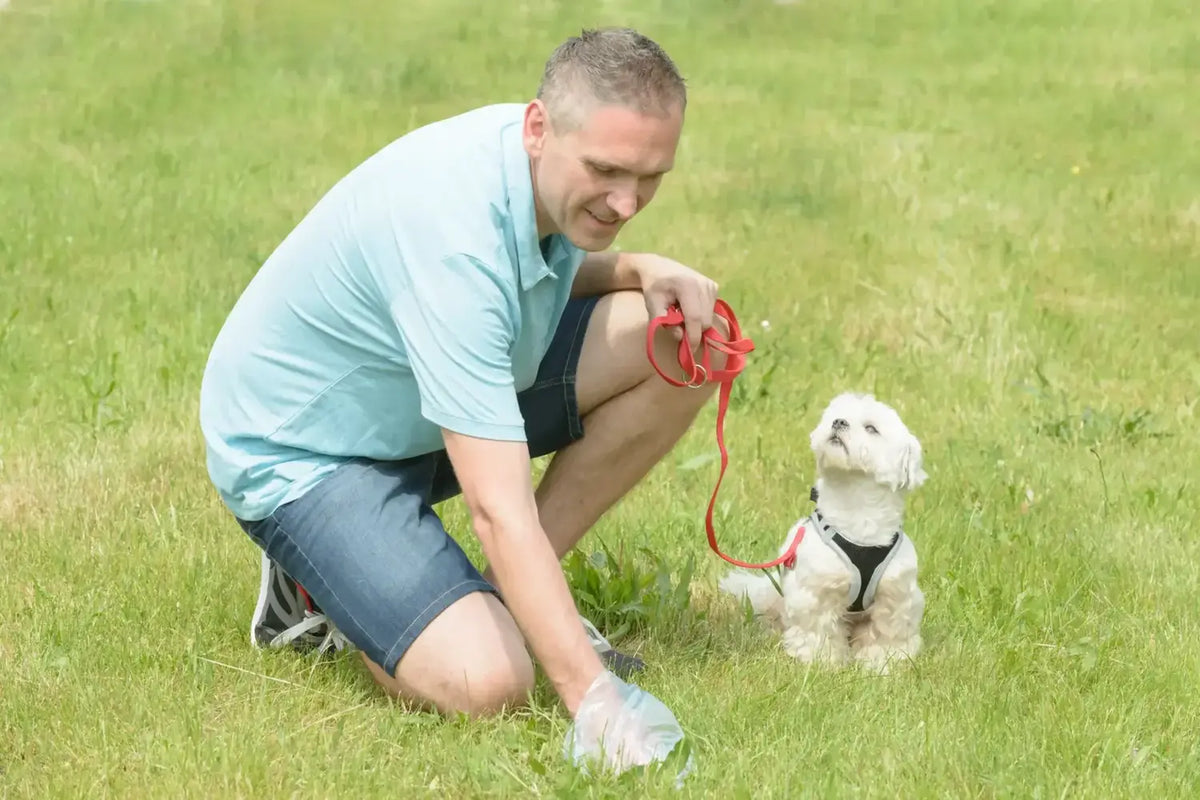


Pet waste is an environmental and public health concern. With millions of dogs across the country, even a single day’s waste adds up to an enormous quantity. U.S. dogs produce over 10 million tons of feces each year. This waste can leach into water, spread disease, and create a public nuisance when left uncollected in parks or neighborhoods. Communities are increasingly seeking pet waste management solutions to keep shared spaces clean and enjoyable for everyone. This involves not only responsible pet ownership and community education, but also practical tools such as dog waste bags and public-area disposal systems.
The Scope of the Dog Waste Problem
How big can the “dog poop problem” really be? Consider the numbers: tens of millions of pet dogs live in the United States, each producing about ¾ of a pound of waste per day. That’s on the order of thousands of tons of dog waste nationwide every single day. All this poop doesn’t just vanish. If owners don’t pick it up, it accumulates on lawns, trails, and playgrounds, and eventually washes into storm drains and waterways when it rains. The impact of pet waste is a significant environmental pollutant when neglected.

Environmental Impact: From Water Pollution to Wildlife
The U.S. Environmental Protection Agency (EPA) classifies dog waste as a non-point source pollutant, placing it in the same category as toxic chemicals and oil runoff. That’s because when rain or sprinklers wash over pet droppings, bacteria and nutrients are carried into creeks, rivers, and lakes. Beyond water quality, leftover dog waste can harm urban wildlife and landscaping. The excess nutrients in pet feces can promote invasive weeds in parks while crowding out native plants.
As the waste decomposes, it also releases ammonia and other compounds that can burn plant roots and cause unsightly dead patches on lawns. The smell of unattended piles can attract pests like rats and flies. Some park managers even report that uncollected dog poop draws in unwanted wildlife closer to human recreation areas, because it’s a food source for scavengers. All of these environmental disruptions are avoidable with proper pet waste management. Using dog poop disposal bags and trashing the waste prevents these issues before they start, keeping parks cleaner and ecosystems healthier.
Public Health and Safety Risks
Leaving dog waste behind affects far more than neighborhood aesthetics. It poses serious public health hazards affecting entire communities. Understanding these risks highlights why responsible cleanup is essential for protecting shared spaces and preventing avoidable illness:
- Disease-Causing Bacteria and Parasites: Dog feces can harbor harmful organisms, including Salmonella, E. coli, Giardia, hookworms, and roundworms. Even a tiny amount of waste may contain millions of fecal coliform bacteria. Contact with contaminated soil or grass can lead to accidental ingestion and infection, particularly in young children.
- Risk of Serious Human Illness: Exposure to contaminated environments can result in gastrointestinal infections, skin irritations, and parasitic conditions. One example is ocular larva migrans, a roundworm infection that can damage vision. These illnesses often occur when parasite eggs are unknowingly transferred from the hands to the mouth or eyes.
- Hazards in Public Spaces: Stepping on hidden piles can cause slips and falls, while frequent contamination discourages recreational use. Areas meant for exercise and play can quickly become unsanitary and unsafe.
Communities that provide dog poop bags that are environmentally friendly and plentiful trash receptacles are taking proactive steps to protect residents’ health. Pet waste should be picked up and discarded promptly, precisely because of the lingering parasite eggs that can survive in soil for years.
Laws, Etiquette, and Community Responsibility
Failing to pick up dog waste is not only seen as antisocial behavior in many places, but it’s also illegal. Fines can range from a light $50 ticket up to $500 or more for repeat offenders, depending on local ordinances. Cleaning up dog poop is part of being a responsible pet owner and a good neighbor. Enforcement of these laws varies, but communities increasingly realize that education and peer pressure are just as important as penalties. You’ll often see signs in parks reminding owners to “Scoop the Poop – Others Are Watching!” or gentle warnings that uncollected pet waste may be recorded on security cameras. Social norms have shifted such that most dog owners understand picking up after their pup is their duty, not someone else’s job.
Communities also emphasize that everyone benefits from a cleaner environment when pet owners do their part. When people see others dutifully using dog waste bags and disposing of them properly, they’re more likely to follow suit. Conversely, if an area is already littered with old dog piles, some might think “what’s one more?” and leave theirs too. That’s why keeping public areas consistently clean is key to sustaining high compliance.
Waste Stations: Infrastructure That Makes a Difference
One of the most effective strategies for managing pet waste in parks and community spaces is installing dedicated pet waste stations. These typically include a pole-mounted dispenser stocked with dog poop disposal bags and a lidded trash bin for collection. By making it convenient to grab a bag and toss it when done, waste stations remove the common excuses for not picking up. The presence of a station also serves as a visual reminder. Studies have shown that when bags and trash cans are readily available along trails or in dog parks, compliance with cleanup skyrockets.
Investing in a few waste stations yields outsized returns in cleanliness for community managers. A single station placed at a park entrance or along a frequently used path can prevent thousands of pounds of waste from ending up on the ground over the course of a year. It’s important, however, that these stations are maintained by refilling bags and emptying trash cans regularly. Appointing maintenance staff or volunteers to check stations ensures they remain useful. Some modern dispensers even have inventory windows or smart sensors to alert when bags are low. By keeping stations functional and stocked with dog waste bags, communities send the message that they care about the environment and expect citizens to do the same.
Supplying Bags in Bulk: Cost-Effective & Convenient
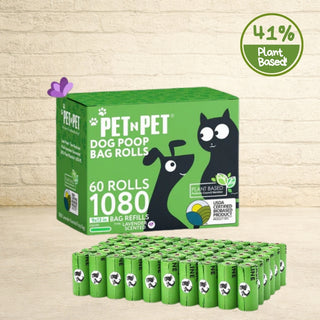
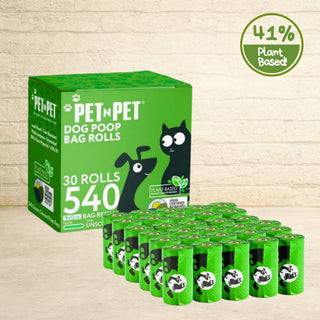
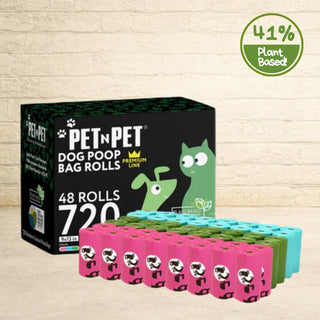
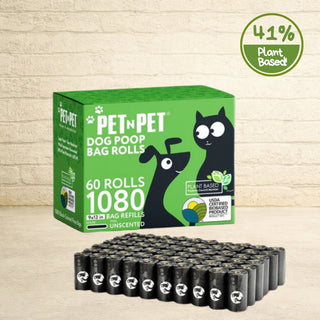
Given the high volume of dog walkers in popular parks, keeping those little bag dispensers filled can be a challenge. Park departments and HOAs have found that purchasing bulk poop bags for dogs is both cost-effective and practical for ensuring a steady supply. Instead of buying small packs of 20 rolls at a pet store, community managers often buy dog poop bags in bulk, which significantly lowers the cost per bag. Bulk purchasing not only saves money but also reduces the frequency of reordering. For a busy dog park that might go through dozens of bags a day, bulk rolls or wholesale cases are a must to prevent outages. The good news is that many pet waste management suppliers cater to this need, offering large-quantity discounts and even specialized dispenser-compatible bags. One can find rolls of 2000 bags designed for park dispensers, or boxes of header-style bags that fit standard pet waste station mounts. By opting for wholesale dog poop bags, a community can stock up for months at a time, ensuring visitors never encounter an empty dispenser.

When ordering wholesale biodegradable poop bags, communities should look for quality and compatibility. The bags should be durable enough not to tear, yet fit whatever dispenser is in use. Many municipalities choose dark-colored, opaque bags to keep the contents discreet, typically in standard sizes that suit most needs. However, it’s wise to also consider the diversity of dogs using the area. If the park serves many large breeds, opting for a larger bag size can improve user satisfaction. Some suppliers offer extra-long or high-capacity bags specifically for this purpose.
Buying in bulk allows for uniformity and consistency, as dog owners come to rely on the fact that dog poop disposal bags will always be available at their favorite park, just as trash bins and benches are. This reliability is crucial because if a responsible owner unexpectedly finds no bag available, the waste might get left behind. Bulk purchasing and vigilant restocking preclude that scenario, keeping the system running smoothly.
Eco-Friendly Dog Waste Bag Options
Even as we encourage picking up pet waste, there’s another environmental consideration: the bags themselves. Traditional dog poop bags are usually made of thin plastic. With millions of these bags used daily, their environmental footprint adds up. It is estimated that dog waste bags alone account for about 0.6% of global plastic pollution by weight, equivalent to up to 1.23 million tons of plastic annually. This staggering number has spurred the development of more sustainable alternatives. Today, pet owners and communities can choose biodegradable dog poop bags made from plant-based materials that break down much faster than conventional plastic. There are also compostable dog poop bags in bulk supply, which are certified to decompose fully under industrial composting conditions. Using these earth-friendlier pet-waste options can significantly reduce plastic pollution associated with keeping our sidewalks clean.
Choosing the Right Bag for the Job
When selecting dog waste bags, a few factors come into play. Size and thickness are key considerations. Standard bags (around 9 x 13 inches) are sufficient for most breeds, but owners of large dogs or multiple dogs might prefer the extra room of large-sized dog poop bags. These larger bags (often 11-12 inches wide and 15+ inches long) make it easier to tie off a big load without spillage. Many brands now offer large dog poop bags that are extra-thick and sturdy, giving confidence that even a mess from a Mastiff can be handled without ripping.
Material is the other major factor. Beyond the eco-friendly aspect discussed above, material affects performance. Cheaper plastic bags can be frustratingly clingy, or they may not contain odors well. Some earth-friendly poop bags for dogs made from plant starch have a paper-like texture that’s easier to open and can even neutralize odor somewhat. There are also scented bags on the market, though fragrance is a personal preference. For municipal or park use, unscented is generally safer to avoid irritating sensitive users.
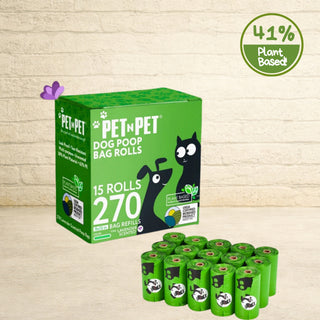
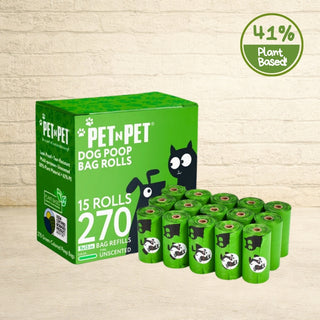
The “right” bag is one that fits your needs and values, whether it’s a large biodegradable dog poop bag for your gentle giant, or a roll of compact compostable bags that fit in your pocket. The good news is that today’s market, including innovators like The Original Poop Bags, offers plenty of choice. This brand produces eco-friendly poop bags for dogs made with high biobased content, demonstrating how companies are stepping up with solutions that make pet cleanup both convenient and sustainable.
Beyond Bags: Innovative Pet Waste Solutions
Picking up a bag and tossing it in the trash is the most practical method for most situations, but it’s not the only way to handle dog waste. Some communities and entrepreneurs are experimenting with creative pet waste management solutions that go a step further in sustainability. One intriguing approach is installing in-ground pet waste digesters in dog parks or high-traffic areas. These devices, miniature septic tanks buried in the ground, use natural enzymes and bacteria to break down dog poop on-site.

Managing pet waste is about respect for our neighbors, for public spaces, and for the environment. A clean community where you buy large biodegradable dog poop bags is as routine as buying dog food is one where people and pets can thrive together. Parks and recreation departments, along with companies like Poop Bags, are making it easier than ever to do the right thing by providing the tools and innovative products needed to tackle the poop problem. Equipped with knowledge, a leash, and a supply of bulk poop bags for dogs at the ready, we can all contribute to a cleaner, healthier community.
Sources:
- Gallatin River Task Force – “The Inside Scoop on Dog Poop” (2019)
- Amherst MA HOA (AmherstWoods.com) – “Dog Waste: A Risk to Health and Environment”
- City of Jacksonville, FL – Pet Waste environmental quality facts (Jacksonville.gov)
- Outside Online – “It’s Time to Talk About Dog Poop” (2018)
- USDA Natural Resources Conservation Service – “Pet Waste Disposal Systems Help Protect Water Quality” (2011)
- PLOS ONE (Sci. Journal) – “Environmental Pawprint of Dogs as a Contributor to Climate Change” (2023)
- U.S. National Park Service – “What You Can Do – Pets” (2023)