

Dog owners everywhere know that picking up after their pets is a non-negotiable part of pet ownership. But what many may not realize is how much this daily act can impact the environment. In recent years, there’s been a growing interest in environmentally-friendly dog products, including better ways to handle dog waste. This guide will explain how to dispose of dog waste in an eco-conscious manner. You’ll be equipped with the knowledge to manage your dog’s business in the greenest way possible.
Why Proper Dog Waste Disposal Matters
Cleaning up dog poop is about protecting our environment and health. Unlike manure from herbivores, dog waste is not a harmless natural fertilizer. Dog feces can carry harmful bacteria (like E. coli, Salmonella) and parasites that pose risks to people and wildlife. When left on the ground, these pathogens can leach into soil and wash into waterways during rainstorms. Studies show that dog poop can take up to a year to decompose and release its contaminants, potentially polluting local water quality. Excess nutrients from pet waste can also spur algae growth in rivers and lakes, depleting oxygen that fish and other aquatic life need. Leaving dog waste where it lies is an environmental hazard.

There’s also the sheer volume of pet waste to consider. The world’s dogs produce millions of tons of poop each year. In urban and suburban areas, that waste doesn’t just magically disappear; it has to go somewhere. Responsible pet owners typically bag the poop and throw it away, which is far better than leaving it out. However, using any old bag brings its own problems, as we’ll see next. Over a dog’s lifetime, an owner might use thousands of plastic bags just for poop disposal. All that plastic and pet waste adds up, making it crucial to find more eco-friendly dog waste disposal practices.
The Problem with Plastic Poop Bags
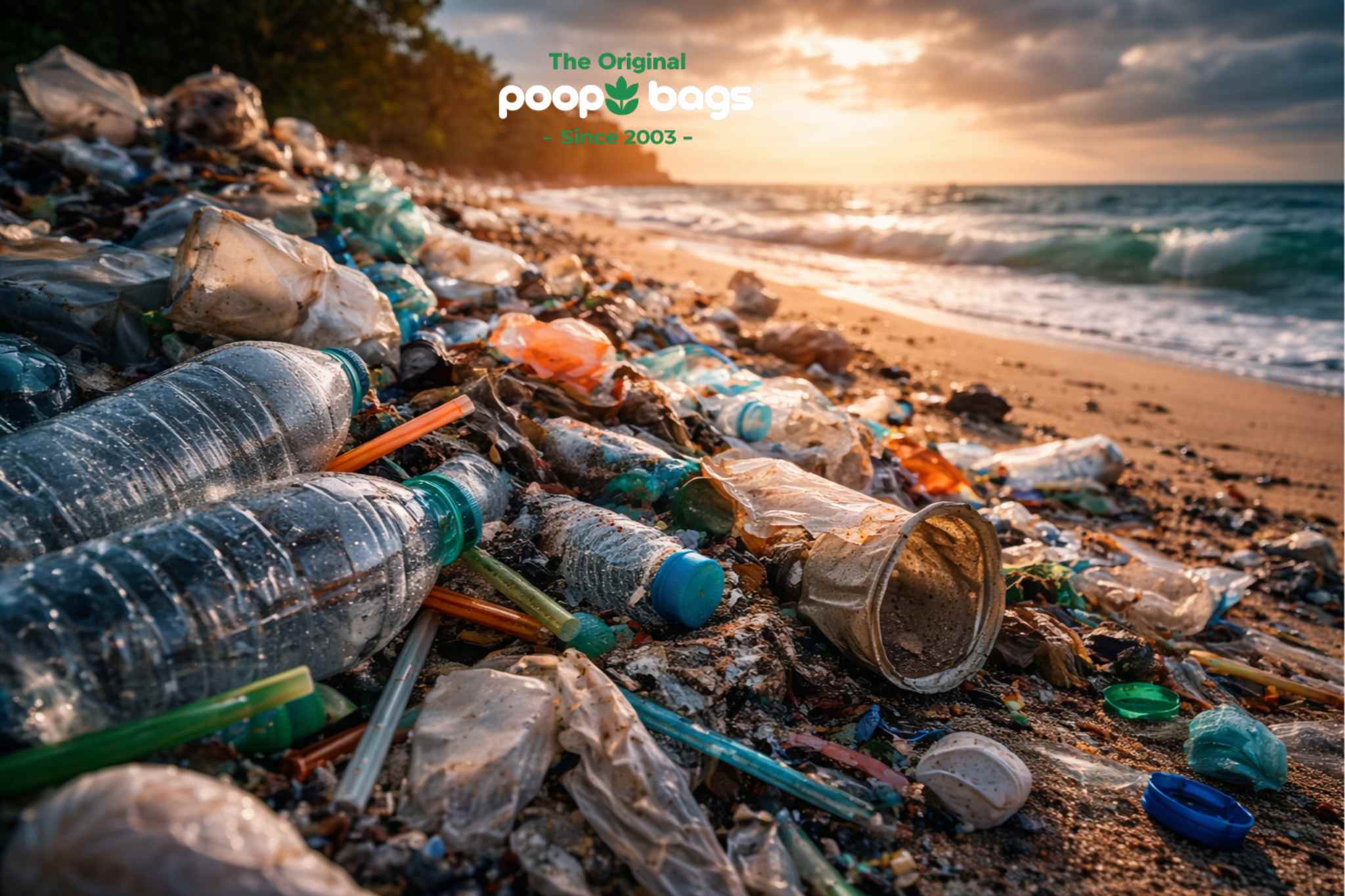
The go-to method for picking up dog poop has been a simple plastic bag for decades. Traditional plastic bags are made of polyethylene or other conventional plastics that break down extremely slowly. Once tied off and tossed in the trash, a bag of dog poop will likely end up in a landfill, where the plastic can persist for hundreds of years. In the dark, oxygen-poor conditions of a landfill, even a “biodegradable” plastic bag breaks down only very slowly.
Meanwhile, the waste inside can release methane gas as it eventually decomposes. The plastic itself may fragment into tiny microplastic pieces that linger in soil or water. A single-use plastic poop bag can outlive you, your dog, and many generations to come. The longevity of plastic bags has spurred pet owners and companies to seek greener alternatives. Many products marketed as eco-friendly dog poop bags have appeared on the market. These include bags labeled “biodegradable,” “compostable,” or made from plant-based materials instead of traditional plastic. The idea is that such bags will break down more quickly and leave less pollution behind. But do they live up to the promise?
Biodegradable vs. Compostable Dog Poop Bags: What’s the Difference?
Not all eco-friendly bags are the same. Two common labels you’ll see are biodegradable and compostable. It’s easy to assume that biodegradable and compostable dog waste bags both simply “disappear” quickly after use, but there are key differences in what these terms mean.
- Biodegradable Bags: In theory, biodegradable means the material can be broken down by microorganisms into natural substances over time. Under typical conditions in a sealed landfill, any kind of plastic bag will degrade very slowly due to a lack of light and oxygen. If you throw a biodegradable dog poop bag in the trash and it goes to a landfill, it’s essentially “rendered useless” in terms of speedy breakdown.
- Compostable Bags: These bags are usually made from plant-based materials rather than conventional plastic. True compostable dog poop bags are designed to be turned into humus in a compost system. Importantly, most compostable bags require specific conditions to break down efficiently: high temperatures, plenty of oxygen, and microbial activity, as found in industrial composting facilities. In the right setting, a compostable bag can disintegrate in a matter of a few months. But if you throw a compostable bag into regular trash, it will end up trapped in a landfill where those ideal conditions are absent. There, it won’t get enough heat or air and will likely remain intact, much like a normal plastic bag. Compostable dog bags are a great idea only if they actually reach a compost environment.
It’s crucial to dispose of these special bags correctly, or they won’t fulfill their purpose. And regardless of labeling, remember that leaving bagged (or unbagged) dog poop in nature is never an eco-friendly option.

Choosing the Best Eco-Friendly Poop Bags
How can you pick the right ones for your needs? The best biodegradable pet waste bags share a few key characteristics:
- Certified Compostable Materials: The gold standard for truly eco-friendly bags is a certification such as ASTM D6400 or EN 13432. These standards ensure that a product will fully break down in industrial composting conditions within a set time frame and leave no harmful residues. When shopping, look for labels from reputable organizations like the Biodegradable Products Institute (BPI) or OK Compost, which indicate the bags meet compostability criteria. The best dog poop bags from an environmental standpoint will be those that are certified to break down appropriately, rather than just claiming to be “biodegradable” in general.
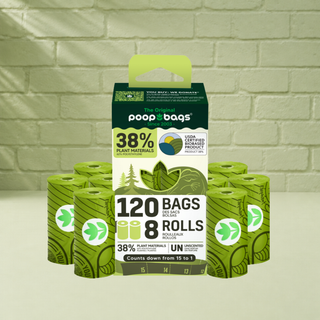
- Plant-Based or Recycled Content: The most eco-friendly dog poop bags tend to be made from renewable, plant-based resources or recycled materials instead of new petroleum plastic. Common eco-conscious options include plant-based poop bags made from materials such as cornstarch, sugarcane fiber, or other biopolymers. These have a lower carbon footprint to produce and can be composted when managed properly. Some other bags use recycled plastic. If you can’t compost dog waste in your area, using thick recycled-plastic bags at least ensures you’re not creating new plastic demand for the sole purpose of picking up poop. Look for products that clearly state their material sources. For instance, sustainable dog poop bags from certain brands use a high percentage of bio-based content. One pioneer in this industry, The Original Poop Bags, has been producing sustainable USDA-certified biobased poop bags since 2003, showing that greener pet products are viable.
- Strength and Practicality: Being eco-friendly doesn’t help if the bag doesn’t do its job. The ideal bag should still be durable enough to pick up a mess without tearing. Many of the best dog poop bags on the market balance sustainability with strength by using multi-layer plant starch films or adding natural fillers for sturdiness. Check user reviews or product descriptions for indications of thickness and leak-proof design.
Opt for eco-friendly dog poop bags that are clearly labeled with compostable certifications or recycled content, and that have a reputation for reliability.
Sustainable Ways to Dispose of Dog Waste
Choosing a better bag is only half the battle. You also need to dispose of it sustainably. Let’s explore how to dispose of dog poop to minimize environmental impact:
- Flush It: This method lets the waste be treated in the municipal sewage system just like human waste. According to the U.S. Environmental Protection Agency (EPA), flushing pet waste is an excellent disposal method because modern wastewater treatment plants are equipped to handle and neutralize pet feces and the pathogens it contains. If you go this route, you can either pick up the poop with a pooper-scooper or use a flushable dog poop bag made of water-soluble material.
- Trash It: The next best option is typically to throw the waste into the trash, especially if you’re using a compostable or biodegradable bag. This might sound counterintuitive since it sends the waste to a landfill, but it ensures it’s contained and kept out of waterways. Some municipalities prefer, or require, that pet waste be bagged and disposed of. To reduce impact, you could use a biodegradable or compostable bag for this, recognizing that it likely will not compost in the landfill, but at least the bag isn’t conventional plastic.
- Dog Waste Composting: Can you compost dog poop? Yes, but it requires special care. Proper composting of dog waste can neutralize harmful pathogens, but it must reach high temperatures (above ~140°F or 60°C) for an extended period. This usually means using an industrial composting facility designed for pet waste or a well-managed home compost setup specifically for pet waste. If your city or a nearby service accepts pet waste for composting, that’s the best-case scenario. These facilities will turn the waste into safe compost. If you attempt to compost at home, do not mix dog waste into your regular compost bin for veggie gardens. Instead, set up a separate system. Only use the finished compost on ornamental plants or bury it in non-food areas of your yard. Keep in mind that compostable bags in a home compost may take several months to break down. Stirring and monitoring the pile for heat is essential.
- Bury or Digester Systems: Another approach is to bury the waste, either in a simple hole or using a dog waste digester system. Burying untreated dog poop directly in the ground isn’t highly recommended in most cases, because parasites in the poop can survive in soil and potentially contaminate groundwater. However, an in-ground waste digester can make burial safer.
Some dog owners try to avoid using bags entirely by adopting a “natural” approach and letting nature take its course. The idea is that the waste will decompose on its own. In areas with lots of dogs, all that waste doesn’t vanish, but it accumulates and overloads the ecosystem with nutrients and pathogens. Never leave dog poop on the ground, even off the beaten path. Proper disposal is always the responsible choice.
Alternatives to Traditional Plastic Bags
We’ve covered high-tech solutions and official methods, but what about simple alternatives to plastic poop bags you can implement in daily life? One of the greenest strategies is to use bags you already have on hand instead of buying new dedicated poop bags. Bread bags, newspaper sleeves, product packaging. Reusing an old bag for pet waste means one less new plastic bag is produced. Some environmentally-minded dog owners collect things like cereal box liners or bulk item bags and use those on walks. Just ensure the bags don’t have holes and are safe to handle. If they’re headed to a landfill regardless, at least they serve a purpose on the way.
Managing dog waste sustainably may require a bit more thought and effort than the old “bag it and toss it” routine. But the good news is that there are multiple options to suit different lifestyles. Even small changes, like switching to plant-based poop bags, can make a meaningful difference when multiplied by all the dog owners out there.

As dog owners, we have a duty not just to our pets but to our communities and the planet. Dealing with dog poop is an unpleasant task at times, but it’s also an opportunity to make an environmental difference in small but important ways. By picking up after our pups and opting for eco-friendly dog waste disposal methods, we prevent harmful bacteria from spreading, protect water quality, and reduce plastic pollution. Whether you choose certified compostable bags, flush your dog’s waste, start a pet waste compost in your yard, or try a newfangled digester system, you’re contributing to a cleaner and more sustainable world. Combine these habits with other environmentally friendly dog products and practices, and your furry friend can have a lower pawprint on the environment. No solution is perfect, but responsible choices do add up. Managing dog poop will never be glamorous, but with the right approach, it can be a routine that both you and the earth can feel better about.
Sources
- Morro Bay National Estuary Program – “Dog Poop Bags: Breaking Down How Dog Waste Bags Break Down” (Sept 2023)
- The Guardian – Kate McCusker, “The poop scoop: is bagging it really the best solution?” (Apr 2025)
- Whole Dog Journal – Nancy Kerns, “Dog Poop Bags Review” (Oct 2021)
- Biofriendly Planet – Jacob Givens, “Dispose your pet’s waste responsibly” (Tuesday Tip) (Mar 2022)