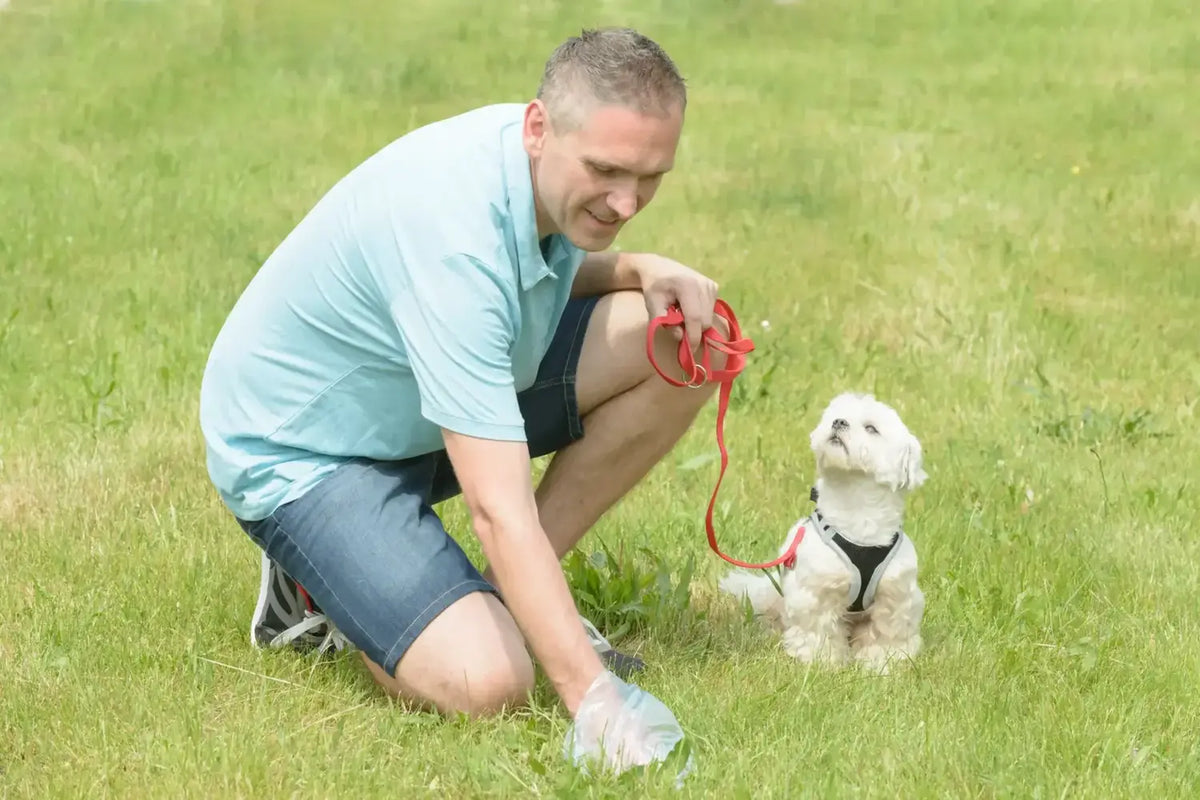


Your dog's stool is one of the most reliable daily health signals you have access to as a pet parent. Catching changes early can prevent small issues from becoming expensive emergencies. The bags you reach for during pickup are part of the equation, too. Reliable waste bags contain bacteria, prevent leaks, and let you collect a clean sample if your veterinarian needs one. This guide explains what to look for in your dog's stool and how to choose the best dog poop bags that support a health-aware cleanup routine.
Why Stool Quality Is a Daily Health Signal
Stool reveals a great deal about what is happening inside the digestive tract, and it changes faster than many other health markers. What your dog eats reaches the colon within 24 to 36 hours. Diet changes, treats, and table scraps all leave traces in stool form. A consistent diet usually produces consistent stool. Sudden changes in food or the introduction of rich human foods can cause a temporary upset that resolves within a day or two.
A daily check takes seconds and creates a baseline you can act on. When something shifts, you notice immediately rather than weeks later when problems compound. Veterinarians frequently say that owners who track stool changes are often the first to catch parasites and early-stage gastrointestinal disease, all of which respond best to early intervention.

What Vets Look at First in a Routine Check
Veterinary intake forms typically ask about stool color, consistency, frequency, and any blood, mucus, or visible parasites. Bringing accurate notes saves clinic time and improves diagnostic accuracy. Heavy-duty dog poop bags make collecting and transporting a fresh sample reliable, which directly helps veterinarians run accurate fecal examinations without contamination concerns. The steps below are designed to take less than two minutes per walk.
- Observe Color in Natural Light Before Scooping: Look at the stool against the ground in daylight rather than relying on a phone flash. Brown is the healthy default. Yellow, green, gray, black, or red shades all signal something worth noting and reporting if the change persists past one or two outings.
- Note Consistency on a Five-Point Scale: Rate stool from watery to rock-hard using a quick mental scale. The middle of the range is ideal.
- Check for Visible Foreign Material in the Sample: Scan briefly for mucus, blood streaks, hair, grass, or anything that looks unusual. Tiny rice-grain shapes can indicate tapeworm segments. Photographing anything unusual takes seconds and gives the vet evidence to work with rather than a verbal description after the fact.
- Track Frequency Across Each 24-Hour Cycle: Most adult dogs poop one to three times per day. Sudden increases or decreases in frequency flag changes are worth reporting. Consistent timing is normal; consistent disruption is not, and the difference is usually obvious within three or four days.
- Bag and Knot Tightly to Contain Pathogens: A well-tied bag prevents pathogens from spreading onto hands, leashes, and shared surfaces. Strong dog poop bags with secure knot capability matter most for households with children, multi-pet yards, or busy public walking routes where contamination risks compound quickly.
- Log Anything Unusual Before You Forget: Keep a short notes file on your phone for color, consistency, or frequency changes. Memory fades quickly under daily routine, and a vet visit two weeks after a brief change benefits enormously from written notes that accurately capture the timeline.
Reading the Color of Your Dog's Stool
Brown
Healthy stool runs medium to dark brown thanks to bilirubin from the liver. Slight day-to-day variation is normal. Persistent shade changes lasting more than a few days deserve attention, as the underlying cause is usually related to diet, hydration, or something more serious, which is worth confirming with a veterinarian.
Yellow or Orange
Yellow or orange stool can result from rapid transit through the gut, liver issues, or food coloring. A single yellow stool after a rich treat is common. Recurring yellow output, combined with lethargy or loss of appetite, warrants a veterinary call, particularly when accompanied by vomiting or unusually pale gums.
Green
Green stool often follows grass eating or rapid bile transit. A small amount of grass is harmless. Persistent green coloring without an obvious dietary explanation may indicate gallbladder or intestinal issues, especially when accompanied by mucus or an unusual odor that suggests infection or inflammation.
Black, Red, or Mucus-Streaked
Black, tarry stool can signal upper gastrointestinal bleeding. Bright red streaks suggest lower gastrointestinal bleeding, often due to inflammation or anal gland issues. Mucus coatings indicate colon irritation. Any of these warrants a same-day or next-day vet appointment so the cause is identified before bleeding worsens.
Reading the Consistency of Your Dog's Stool
The Bristol Stool Scale Adapted for Dogs
Many veterinarians use a fecal scoring chart ranging from 1 (very hard) to 7 (liquid). Two through three is ideal: firm, segmented, easy to pick up cleanly. Premium dog poop bags make the difference between a clean pickup and a frustrating one when stool sits at the upper or lower edges of the scale. Healthy stool holds its shape, picks up cleanly, and leaves little residue on the ground. The shape suggests adequate fiber and water intake, as well as gut transit time. Households that consistently produce this output rarely need to think about cleanup quality because the stool itself is forgiving of bag thickness and ground texture.
Soft or Loose
Soft stool that smears when picked up usually points to a diet change, mild stress, or early infection. Single-day soft output rarely warrants a vet visit, yet repeated days of soft output should be tracked. Thick dog poop bags matter most here because thinner films can tear when the stool consistency makes pickup messy.
Watery Diarrhea
Liquid output requires immediate attention if it lasts more than 24 hours, includes blood, or pairs with vomiting and lethargy. Dehydration sets in quickly, especially for puppies and senior dogs. Households dealing with diarrhea outside the yard need bags rated for the worst-case load to keep pickups hygienic.
Hard or Pellet-Shaped
Small, hard, pellet-shaped stool indicates dehydration or constipation. The cause is often inadequate water intake, low fiber intake, or reduced physical activity. Persistent constipation in senior dogs may indicate an enlarged prostate, anal gland issues, or other concerns worth reviewing with a veterinarian during the next checkup.
How Often Should a Healthy Dog Poop
Most healthy adult dogs poop one to three times per day. Puppies on growth diets often go four or more times. Senior dogs sometimes drop to once daily. Knowing your dog's normal frequency makes deviations easier to spot. The change matters more than any specific number because individual baselines vary widely. Disruptions like travel or boarding can temporarily throw timing off. Dog poop disposal bags with easy-open lips matter more on travel days when routines stress the dog, and the pickup happens in unfamiliar environments.

Why Poop Bags Matter for Health Beyond Cleanup
Bag Strength and Odor Containment
Pathogens like Giardia, Cryptosporidium, and various coliform bacteria can survive on surfaces for hours. Tear-resistant dog poop bags reduce the risk of contamination and protect children, immunocompromised family members, and other dogs who share spaces. Strong odor barriers indicate film quality and seal integrity. Odor-proof dog poop bags matter inside cars and trash containers where contained waste sits for hours. The same film qualities that block odor usually also block bacteria, which is why odor containment is a useful proxy for hygiene performance.
Avoiding Pathogens in Multi-Pet Yards
Yards with multiple dogs accumulate pathogens quickly when cleanup falls behind. Daily yard scoops with reliable bags break the parasite reinfection cycle. The American Veterinary Medical Association's guidance on pet waste safety emphasizes prompt collection and secure containment to limit environmental spread.
The Public Health Impact
Pet waste left on sidewalks, lawns, and trails enters stormwater systems and waterways. Bagged disposal protects water quality. High-quality dog poop bags that hold up across hundreds of pickups translate individual hygiene into measurable community-level benefits over time.
Hygiene Risks That Arise From Inferior Bags
Inferior dog waste bags fail at the worst possible moment, transferring contamination from the curb to every surface a dog owner touches afterward. Each item below describes a tangible cleanup failure mode that compromises hygiene. Recurring patterns in a current bag brand suggest that the cost of an upgrade pays off quickly:
- Tearing During Pickup: A torn bag transfers bacteria, parasites, and odors directly to hands, leashes, and clothing. The contamination spreads to door handles, car seats, and shared surfaces within minutes of the failure. Dog waste contains E. coli, Salmonella, Giardia, and roundworm eggs that survive on skin and fabric for hours, which means a single failed pickup turns a routine walk into a disinfection event. Reliable film thickness is therefore a baseline requirement rather than a premium upgrade, and it should be the first specification a buyer verifies on the label.
- Weak Knots Allow Odor and Liquid to Escape: Bags too short to knot securely leak gas and liquid into trash bins and car interiors. The odor signals that bacteria are also escaping into the air, where they settle on nearby surfaces and contaminate items stored alongside the bin. Bins develop a permanent odor that no amount of cleaning can fully remove, and garage walls absorb residue over time. Knot integrity is the cheapest hygiene insurance any household can buy, the easiest specification to overlook, and the most common failure point in budget bag brands sold at scale.
- Thin Films Puncture On Sticks, Stones, and Frozen Ground: Cold mornings, gravel paths, and unexpected debris all increase the risk of puncture. Premium poop bags are rated for durability and hold up across rough conditions where flimsy alternatives fail repeatedly. The cumulative hygiene cost of weekly punctures across a year is significant.
Bag failures are not rare events but predictable outcomes of thin film, undersized dimensions, and inconsistent quality control at the factory. Households that experience either failure mode on a regular basis are paying the hidden cost of a low-spec bag in laundry cycles, disinfectant, and frustration. The fix is straightforward: buy bags engineered for the job rather than priced as an afterthought, and the hygiene problems above stop appearing in the rotation. A modest per-bag premium eliminates a recurring contamination risk that touches every room the dog owner enters afterward.
Building a Health-Aware Cleanup Routine
The Daily Two-Minute Check
Allocate 2 minutes per walk for observing color, consistency, and frequency. The investment pays back many times over because changes get caught at week one rather than week six. Daily checks become automatic within a few weeks once the routine establishes itself.
When to Photograph and When to Call
Photograph anything unusual: blood, mucus, parasites, foreign material. Call the vet for persistent changes lasting more than 48 hours, blood, or any concerning signs paired with lethargy or loss of appetite. The American Veterinary Medical Association provides general guidance on when symptoms warrant an urgent versus a routine appointment.
Long-Term Tracking for Senior Dogs
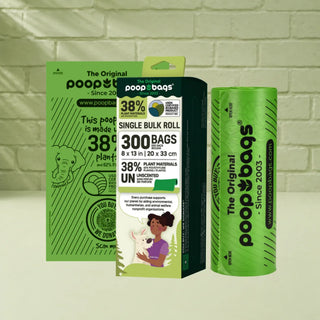
Senior dogs benefit most from longitudinal stool tracking because age-related conditions often appear in subtle, slow-moving patterns. Quarterly notes give vets a richer history. Pair the tracking with a reliable bag rotation with the Original Poop Bags Bulk Roll line.
Stool watching is one of the simplest, most underused diagnostic tools available to a pet parent. A two-minute daily check, combined with reliable bags that contain pathogens and preserve samples, creates a system that catches health issues early and keeps cleanup hygienic. The investment in observation pays back across years of healthier walks and more confident pickups regardless of weather or terrain.

Sources
- American Veterinary Medical Association. (n.d.). Disposing of pet waste. Avmaavma.org/resources-tools/pet-owners/petcare/disposing-pet-waste
- Companion Animal Parasite Council. (2023). General guidelines for veterinarians: Parasitic disease. Capcvetcapcvet.org
- Cornell University College of Veterinary Medicine. (2022). Diarrhea in dogs. CornellDiarrhea
- Krecic, M. R., et al. (2023). Fecal score evaluation in dogs and cats: A clinical perspective. Journal of the American Veterinary Medical Association, 261(4), 512-519.
- Tilley, L. P., & Smith, F. W. K. (2021). Blackwell's five-minute veterinary consult: Canine and feline (7th ed.). Wiley-Blackwell.
- U.S. Environmental Protection Agency. (2023). Managing pet and wildlife waste. Epaepa.gov/nps/managing-pet-and-wildlife-waste
- World Small Animal Veterinary Association. (2021). Global nutrition guidelines. WsavaNutrition Guidelines - WSAVA