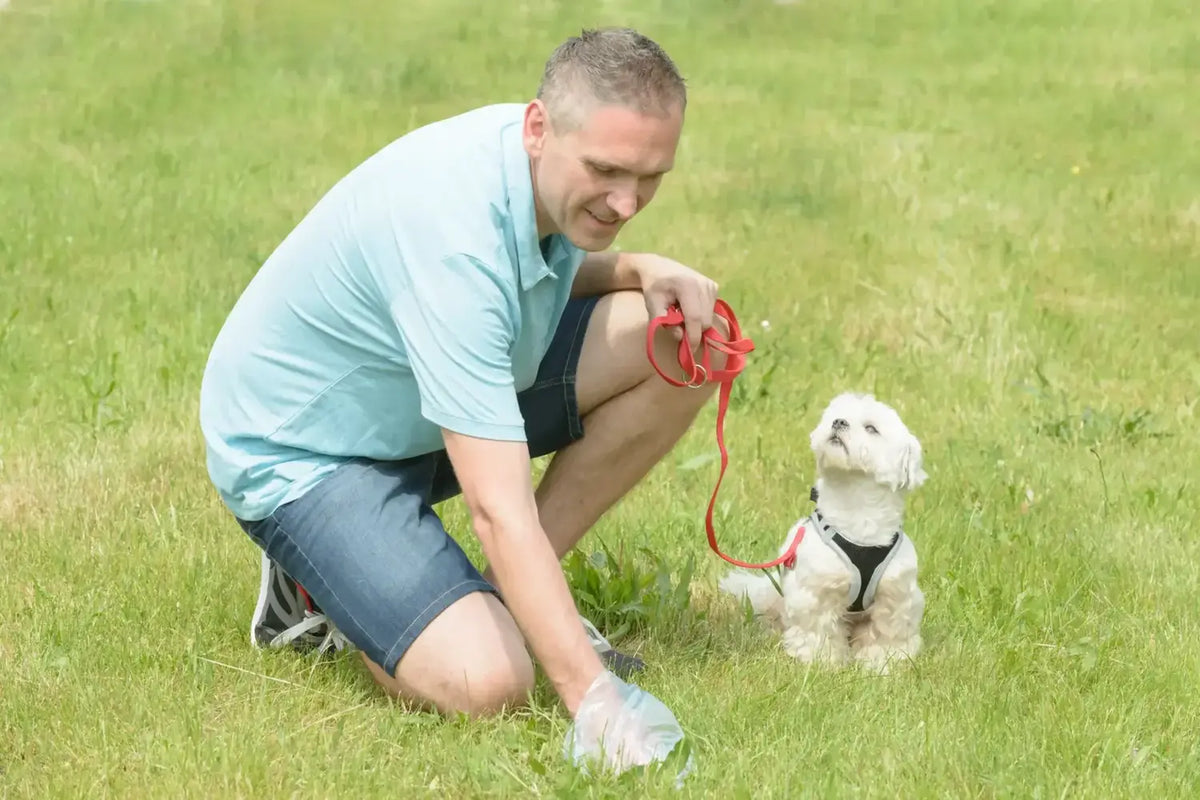


Pet ownership in apartments has climbed steadily over the past decade. Buildings that respond by stocking accessible, reliable waste bag stations report cleaner grounds, calmer tenant relations, and stronger property reputations. The choice of bag matters too. Eco-friendly options reduce environmental footprint, signal modern values to renters, and increasingly align with municipal plastic-bag rules across major metro areas. Eco-friendly apartment poop bags are now a practical operational decision rather than a niche sustainability gesture.
Why Apartment Buildings Need a Pet Waste Strategy
Pet waste is one of the most visible problems in densely populated residential areas. Buildings that ignore the issue pay for it in cleanup hours and reputation damage that compounds over time. Each represents a measurable improvement that justifies the modest annual cost:
- Reduced Grounds Cleanup Hours For Maintenance Staff: A well-stocked station catches most pet waste at the source. Maintenance teams spend less time on tour cleanup and more on higher-value work. The hour savings often pay for the bag program within the first quarter, and the staff morale improvement is harder to quantify but consistently reported across building managers.
- Stronger Tenant Reviews On Public Listing Sites: Tenants notice when buildings make pet ownership easier. Online reviews frequently mention pet-friendly amenities, and a visible station signals that the building takes pet care seriously. Property management poop bags stocked reliably show up in marketing photos and tenant testimonials in ways property tours cannot replicate.
- Lower Risk of Public Health Complaints to Local Authorities: Cities increasingly cite buildings for repeated violations of pet waste laws on public sidewalks. A reliable station meaningfully reduces the risk of violations and demonstrates good-faith effort if a complaint arises. The cost of one avoided fine often covers the bag program for a year.
Many cities now restrict single-use plastics and require composting infrastructure. Eco-friendly multi-family poop bags with verified plant content position the building ahead of the regulatory curve, protecting against the cost of switching products under pressure as local rules tighten.

Building Stations: Where, Why, and How
Choosing the Right Locations
Well-placed stations become a daily touchpoint that reinforces the building's pet-friendly identity. Stations work best near entrances, dog relief areas, and along common walking paths. Multiple stations across a large complex outperform a single central station because the convenience factor drives usage. Dog poop bag stations are best installed with sight lines from common areas and lighting that supports nighttime use.
Indoor vs Outdoor Placement
Outdoor stations weather quickly. Indoor stations near elevators or mailrooms protect bags but may see higher rates of misuse. The hybrid approach, with a covered outdoor station near each main exit, balances accessibility and bag preservation. The U.S. Environmental Protection Agency's pet waste management guidance describes layout considerations for shared properties.
Sizing the Station to the Building
A 50-unit building with 30% pet ownership generates roughly 30 to 40 pickup events per day. Station capacity should hold a week of bags between refills. Wholesale poop bags for property managers in case quantities make refill logistics simple at this volume, especially when paired with a designated supply closet near the main station.
Stocking and Refill Schedules
Weekly refills with a midweek check work for most properties. Larger complexes benefit from maintenance's daily walk-throughs during morning grounds checks. Apartment building waste bag refills that arrive on a quarterly schedule simplify the budget cycle and reduce the administrative overhead of frequent reorders.
Why Eco-Friendly Bags Matter for Property Managers
The Brand and ESG Considerations
The choice between conventional and eco-friendly bags is no longer primarily an environmental decision. Property management companies increasingly report on environmental, social, and governance metrics. A pet waste program with eco-friendly multi-family poop bags contributes to ESG scoring without requiring significant operational change. Public-facing reports often feature small operational sustainability wins because they accumulate credibility over time.
Tenant Retention and Eco Expectations
Younger renters often factor sustainability practices into rental decisions. A visible eco-bag station signals values that resonate with the demographic that dominates most urban rental markets. Building wide dog poop bag programs that feature plant-based options becomes a small but meaningful retention asset across years of lease renewals.
Long-Term Cost Comparison
Eco-friendly bags cost slightly more per unit at smaller volumes. The gap closes meaningfully at wholesale quantities. Multi-year supply contracts with commercial dog poop bag suppliers often deliver per-unit pricing competitive with conventional alternatives, especially when the contract includes a sustainability commitment that prevents annual renegotiation.
The Public Health Argument
Pet waste enters stormwater systems, contaminates public water supplies, and spreads bacteria in shared spaces. The American Veterinary Medical Association's pet waste guidance connects bagged disposal to public health outcomes. Buildings with reliable bag programs contribute meaningfully to the health of their immediate neighborhoods. San Francisco, New York, and dozens of other major cities have restricted single-use plastics. Multi-unit pet waste bags with USDA Certified Biobased status or ASTM D6400 compostable certification often qualify for exemptions or align with the spirit of the rules, even where pet waste bags are not specifically named in local ordinances.
Choosing the Right Bag for Multi-Unit Use
Plant-Based Options at Wholesale Volume
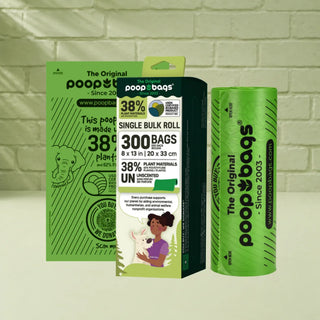
Plant-based bags are now widely available at wholesale volumes. The Original Poop Bags® offers commercial-grade plant-based options sized for property management use cases. Volume pricing narrows the gap with conventional alternatives, and the long-term cost of a credible eco program is often equal to or lower than that of a conventional program.
Strength Requirements for Public Use
Public-use bags face harsher conditions than household bags. Cold weather, hot summer afternoons, and heavy use by tenants who pull bags one-handed all stress the film. Pet waste station bags rated for public use withstand these conditions while meeting plant-based or compostable certifications.
Custom Branding and Refill Subscription Considerations
Many bag suppliers offer custom printing for building names, logos, or sustainability messaging. Custom branding reinforces tenant awareness and adds a small marketing asset to the broader building identity. The cost premium is modest and often justified by the brand value at building or portfolio scale. Subscription deliveries handle restocking automatically. This arrangement reduces administrative overhead and prevents empty stations. Property management bag refills scheduled quarterly synchronize well with most building maintenance cycles and pre-budgeted operational expense lines.
Working With Tenants Effectively
Communicating the Why
The bag is one part of the program. Tenant communication and trust are equally important to the program's long-term success. Tenants engage more reliably when they understand the reasoning. A short notice in the building newsletter explaining the eco bag choice, the cost rationale, and the public health benefits builds buy-in. Condo dog poop bag programs often launch with a tenant orientation event that builds early goodwill.
Building Trust Through Transparency
Publishing the annual cost of the bag program and the cleanup hour savings demonstrates that the building takes the work seriously. Annual reporting at HOA meetings or in tenant updates creates the accountability that protects the program against budget pressure during difficult years.

Handling Misuse and Vandalism
A small fraction of users will misuse stations or take more bags than allowed. Plan for it. Locked dispensers and motion-triggered cameras handle the worst cases. Most buildings find that the program's visibility reduces misuse, since tenants who understand its value protect it informally.
Maintenance and Upkeep
Daily and Weekly Inspection Routines
A station program needs ongoing attention to deliver consistent value. Setting clear maintenance routines prevents the slow drift that erodes performance over time. Quick daily checks during regular grounds patrols catch empty stations before tenants complain. Weekly deep checks verify that the dispensers function and the supply is stocked. Community dog poop bags station maintenance fits naturally into existing grounds and porter routines.
Mild soap and water clean most stations effectively. Avoid chlorine bleach because it damages plant-based dispensers and degrades nearby plant beds. Pet-safe enzymatic cleaners handle organic residues without the collateral environmental damage that harsher chemicals introduce around tenant pets and children.
Reporting and Issue Resolution
Set up a simple reporting channel for tenants to flag issues. Email, online portal forms, or QR codes near stations all work. Quickly resolving reports builds trust and protects against the slow erosion that occurs when small issues accumulate without attention.
Adjusting Frequency by Season
Summer demand exceeds winter demand at most buildings because dogs spend more time outdoors. Increase station refill frequency in warmer months. Dog poop bag dispenser for apartments designs that hold larger quantities help bridge demand spikes without requiring additional refills.
Cost-Benefit Analysis for Property Managers
The economics of a pet waste program are often more favorable than property managers expect. A typical 100-unit building with 30% pet ownership budgets between $1,500 and $3,500 annually for bags, dispensers, and maintenance. The per-unit cost is small compared with the value delivered. Larger buildings benefit from volume pricing, which brings the per-unit cost even lower.
Maintenance teams typically save 2 to 5 hours per week after launching a station program. The labor savings often exceed the bag cost outright. Reallocated maintenance time supports higher-value work on landscaping, common area upkeep, and preventive maintenance projects that improve overall property quality. Tenant complaint volumes around pet waste typically drop 50 to 70% within three months of launching a station program. The complaint reduction frees up property management time and improves tenant satisfaction scores.
Concentrated urine kills grass and stresses landscaping. Bagged waste also reduces lawn restoration costs in dog relief areas. Dog poop bag stations placed at high-traffic spots concentrate pickups exactly where landscape damage would otherwise be most expensive to repair across the year.
Most buildings recover the program cost within the first year through labor savings and complaint reduction. Years two and three often show net positive returns even before counting tenant retention benefits. The math improves further when the program contributes to ESG reporting that influences institutional investor decisions about portfolio properties.
Setting Up the Program in Your Building
Launching a station program is straightforward when broken into clear steps. Most buildings can complete the rollout within a single quarter. Five steps to launch a pet waste station program in your building:
- Survey Pet Owners In Your Building For Baseline Data: A two-question survey captures pet ownership rates and current waste cleanup behavior. The data justifies the program budget and guides station placement. Most surveys take a week to collect responses via an existing tenant communication channel, such as the resident portal or building newsletter.
- Identify Three to Five Strategic Station Locations: Walk the property at typical dog-walking times. Note patterns of use and existing waste hot spots. Place stations along observed routes rather than where they might look architecturally pleasing. Dog poop bag stations work best in line with existing tenant behavior rather than imposed on it.
- Source Bags From A Verified Eco-Friendly Supplier: Confirm certification numbers, plant content percentages, and disposal guidance. Sample sizes from multiple suppliers help compare durability before signing a multi-year contract. Wholesale poop bags for property managers typically include samples upon request, as suppliers recognize the importance of the evaluation step.
- Communicate The Launch To Tenants With Context: A short notice explaining station locations, refill schedules, and the eco bag choice builds tenant buy-in. Including the cost-per-unit and cleanup-hour rationale demonstrates that the program is a serious investment rather than a symbolic gesture, protecting program longevity across future budget cycles.
- Track Metrics For The First 90 Days: Log cleanup hours, tenant complaints, and station usage rates weekly. The data confirms whether the program delivers the projected ROI and identifies adjustments needed before the program scales further. Reputable suppliers work with property managers on metrics-driven program design that supports this kind of structured rollout.
A reliable vendor handles refills on schedule, communicates supply chain issues proactively, and provides custom branding when needed. Multi-year contracts often include better pricing in exchange for predictability.
Long-Term Program Sustainability
Programs that survive year-over-year usually have a designated owner inside property management, a clear budget line item, and a quarterly review process. The Help Me Buy tool and the Bulk Roll line connect a routine operational decision to wildlife rescue and animal advocacy, adding depth to the building's overall sustainability story.
A well-run pet waste station program is one of the highest-ROI sustainability investments a property manager can make. The cost is modest, the benefits span operations and marketing, and the building's environmental footprint improves each year measurably. Eco-friendly apartment poop bags translate routine cleanup into a coherent expression of values that tenants, neighbors, and regulators all increasingly notice. The pattern repeats across building types because the underlying logic is sound: convenient, eco-credible cleanup tools deliver outsized benefits relative to their operational cost.

Sources
- American Veterinary Medical Association. (n.d.). Disposing of pet waste. Avmaavma.org/resources-tools/pet-owners/petcare/disposing-pet-waste
- ASTM International. (2023). ASTM D6400-23. AstmStandard Specification for Labeling of Plastics Designed to be Aerobically Composted in Municipal or Industrial Facilities
- Chapman, S. K., et al. (2022). Companion animal welfare in multi-unit residential buildings: A property management perspective. Journal of Property Management Research, 12(3), 145-162.
- Federal Trade Commission. (2012). Guides for the use of environmental marketing claims, 16 CFR Part 260. FtcGreen Guides
- National Apartment Association. (2023). 2023 NAA survey of operating income and expenses. Naahqnaahq.org/income-expenses-survey
- U.S. Department of Agriculture. (2024). USDA BioPreferred Program. BiopreferredBioPreferred
- U.S. Environmental Protection Agency. (2023). Managing pet and wildlife waste. Epaepa.gov/nps/managing-pet-and-wildlife-waste