





When temperatures drop, there’s a simple rule every dog owner should follow:
If it’s too cold for you to stand outside, it’s too cold for your dog.

Winter weather isn’t just uncomfortable. It can be dangerous. Dogs feel the cold just like we do, and in many cases, they’re even more vulnerable. Fur is not a force field. Cold temperatures, wind, ice, and wet conditions can put dogs at real risk.
Keeping your dog safe in freezing weather doesn’t require complicated gear or extreme measures. It requires planning, awareness, and one key decision. Bring them inside.
Why Cold Weather Is Risky for Dogs
Many people assume dogs are built for cold because of their fur. That’s not true for most dogs.
Cold weather can cause:
-
Hypothermia
-
Frostbite on ears, paws, and tails
-
Cracked paw pads from ice and salt
-
Joint stiffness and pain
-
Increased stress and anxiety

Smaller dogs, short-haired breeds, puppies, seniors, and dogs with health conditions are especially at risk. But even large or fluffy dogs can suffer in freezing temperatures, especially when exposed for too long.
If your dog is shivering, lifting their paws, slowing down, or trying to turn back home, they are already cold.
Plan Ahead When Freezing Weather Hits
Cold snaps make everyday routines harder. Fewer safe trips outside means you need to be prepared ahead of time.
Before freezing weather sets in:

-
Make sure you have enough dog food at home
-
Stock up on treats for indoor enrichment
-
Have toys ready to help burn energy indoors
Planning ahead reduces the need for unnecessary outings and keeps both you and your dog safer when conditions aren’t ideal.
Keep Walks Short and Purposeful
Winter walks should be quick and intentional. This isn’t the season for long strolls or lingering outside.
When you do go out:
-
Keep walks short
-
Avoid icy or salted areas when possible
-
Watch your dog closely for signs of discomfort
-
Head back inside as soon as they’re done
This is where preparation matters. Having everything you need ready before you step outside makes a big difference.

Carry Poop Bags Every Time
In freezing weather, no one wants to stand outside longer than necessary. That includes your dog.
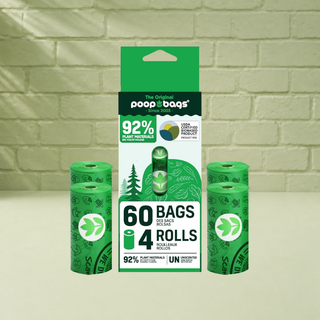
Always carry poop bags so you can clean up quickly and head back indoors right away. Being prepared means fewer delays, shorter exposure to the cold, and a safer experience for your dog.
Quick in, quick out. That’s the goal.
Create a Warm, Comfortable Indoor Space
Once you’re back inside, warmth matters.
Make sure your dog has:
-
A soft bed
-
Blankets for extra warmth
-
Dry paws after walks
-
A draft-free place to rest
Cold weather can dry out paws and skin, so checking and cleaning their feet after walks helps prevent irritation and cracking.
Inside time isn’t punishment. It’s protection.
Dogs Are Not Property. They Are Family.
Dogs depend on us to make the right decisions for them. They can’t tell us when the cold hurts, but they show us through their behavior.
Leaving a dog outside in freezing temperatures isn’t tough love. It’s unnecessary risk.
Dogs aren’t decorations for the yard or accessories for winter photos. They are living beings who feel pain, fear, and discomfort.
They trust us to keep them safe.
So when the temperature drops, remember the rule that matters most:
If it’s too cold for you, it’s too cold for them.
Bring your dog inside.
Keep them warm.
Protect them like family.